Poles & Equipment
40mm vs 42mm vs 45mm: Choosing Your Pole Diameter
How pole diameter affects your grip by hand size and discipline, what studios and competitions commonly use, and how to pick the right thickness before you buy.
Pole Club Team5 min read
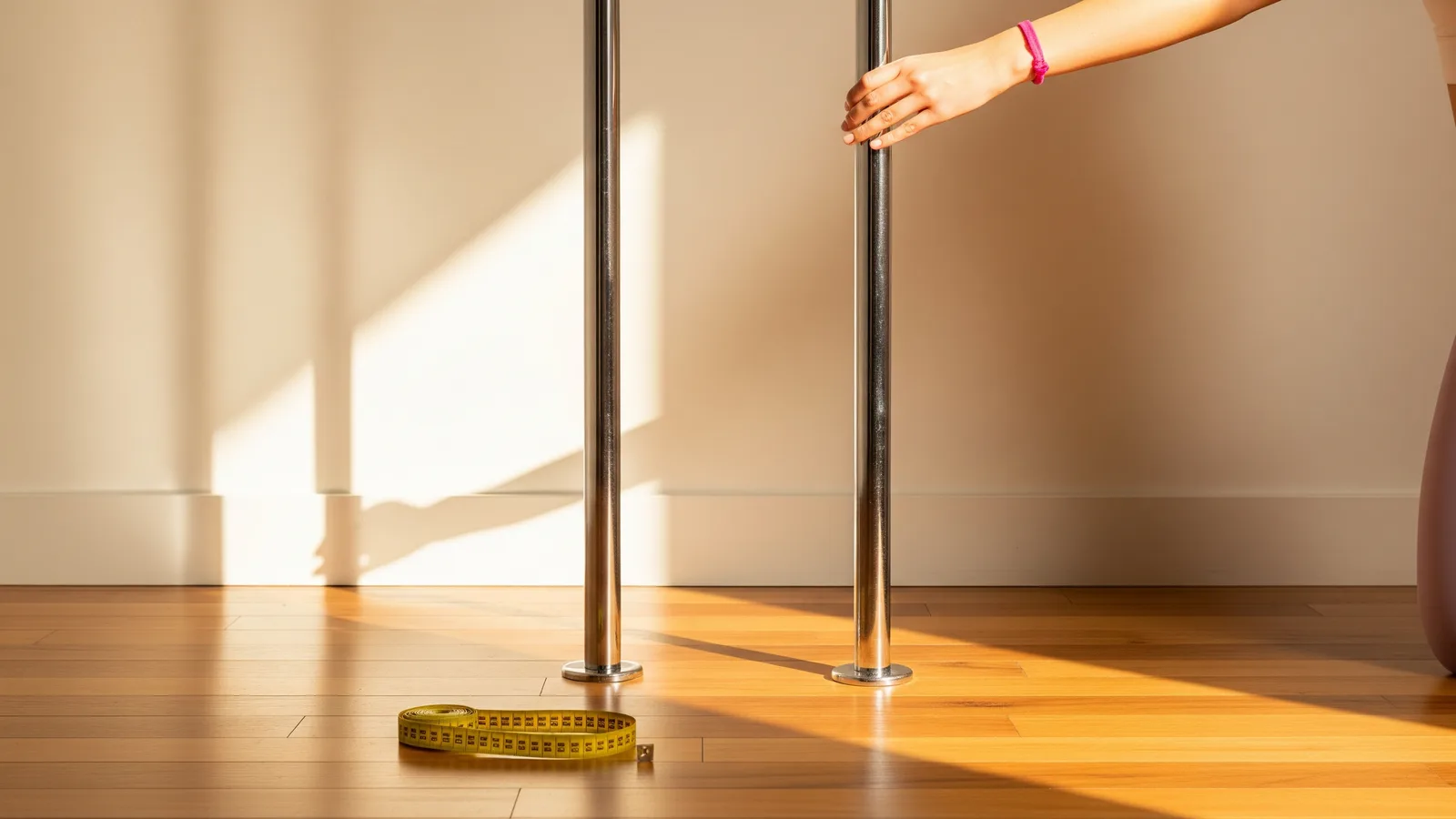
Most beginners are best served by a 45mm pole, because it matches what the majority of UK studios teach on and suits average hand sizes. Thinner 40mm and 42mm poles are easier to close a hand or a leg grip around, which helps smaller hands and certain moves, but they demand more grip strength. The right diameter depends on your hands, your style and where you train.
Diameter sounds like a trivial few millimetres, yet it changes how a pole feels in every grip you make. Getting the pole diameter question right — 45mm or 40mm or something between — means your home training carries over cleanly to class, and that your hands aren't fighting the pole on every hold.
How does pole diameter affect your grip?
A thinner pole is easier to wrap a hand fully around, so your fingers can overlap and your grip closes more securely — that's why smaller hands often prefer 40mm or 42mm. A thicker pole gives you more surface area of skin contact, which some polers find more secure for body grips like a pole sit or a leg hang even though the hand can't close as far around it.
The trade-off runs the other way too. A thinner pole concentrates your body weight onto a smaller contact patch, so it can feel like it bites harder into the skin and demands more finger strength to hold. A thicker pole spreads the load and can feel gentler on the hands for long sessions, but a small hand may struggle to get a confident closed grip on 50mm. Neither is right or wrong — it's about the match to you.
40mm vs 42mm vs 45mm vs 50mm: what each suits
The four common diameters run from 40mm up to 50mm, and each shifts the balance between closed-hand grip and skin contact. Here's the general picture — treat it as a starting point, not a rule, since hand size varies far more than these bands suggest.
| Diameter | Tends to suit | Grip feel |
|---|---|---|
| 40mm | Smaller hands, spinny and exotic styles | Easy to close hand grip, less skin contact |
| 42mm | A middle ground for smaller-handed polers | Slightly more contact than 40mm |
| 45mm | Most people; common studio standard | Balanced hand grip and skin contact |
| 50mm | Larger hands, more body-grip contact | Most skin contact, hardest to close hand around |
If you can, try gripping poles of different diameters at your studio before you buy for home. A minute of holding each tells you more than any chart, because your hand span and how you grip are personal. Ask your instructor which diameter the studio poles are — matching it at home is the single most useful thing you can do.
What diameter do studios and competitions use?
UK studios most commonly teach on 45mm poles, so that's the safest default if you want your home practice to feel identical to class. It isn't universal — some studios run 40mm or 42mm, particularly those with an exotic or spinny focus — so the reliable move is to ask yours directly rather than assume.
Competition standards vary by federation and category, but 45mm and 42mm are the diameters you'll most often see specified, with some competitions offering a choice. If you're training towards competing, check the rules of the specific competition you're entering, because the requirement can differ between organisations and can change year to year. Don't buy a home pole on a competition assumption without confirming it.
The practical takeaway is to let your training environment decide. If you attend classes, match the studio. If you're teaching yourself and browsing our class directory to find one later, 45mm is the diameter most likely to match wherever you end up. You can find studios near you in London and Manchester to ask before committing.
Does diameter matter more for some moves than others?
Diameter matters most on moves that depend on a closed hand grip, because that's where a few millimetres decide whether your fingers can wrap securely or barely meet. Spin combinations, hand-holds and anything you hang from by the hands feel very different between 40mm and 50mm, and this is where small-handed polers most often struggle on a thick pole and where thinner diameters earn their place.
Body-grip moves are less fussy about diameter, since a pole sit, a leg hang or a thigh grip rely on skin contact across a larger area rather than a closing hand. Some polers actually prefer a slightly thicker pole for these because there's more surface to press against. That's part of why there's no perfect universal diameter: the moves you favour pull in slightly different directions, and 45mm sits sensibly in the middle of them.
So which pole diameter should you buy?
Default to 45mm unless you have a specific reason not to, because it matches most studios and suits most hands. Choose 40mm or 42mm if you have small hands and find a thicker pole hard to close a grip around, or if you're set on a style where a thinner pole is favoured. Consider 50mm only if you have large hands and prefer maximum skin contact for body grips.
- Attend a studio: match its diameter, most likely 45mm.
- Small hands, grips feel a stretch: try 40mm or 42mm.
- Large hands, favour body grips: 50mm may suit.
- Unsure and training solo: 45mm is the safe all-rounder.
Diameter is only one part of a home pole choice — finish, mode and mount matter just as much. For the full picture on picking a pole for home, our home pole buying guide covers the lot, and if your hands are the sticking point, a grip aid can make a thinner pole more manageable while your grip strength builds.
Common questions
- Is a 45mm or 40mm pole better for beginners?
- For most UK beginners, 45mm is the better default because it matches what the majority of studios teach on and suits average hands. Choose 40mm if you have smaller hands and struggle to close a grip on a thicker pole. Where possible, match your studio's diameter.
- What pole diameter do most studios use?
- UK studios most commonly use 45mm poles, though it's not universal — some, particularly exotic or spin-focused studios, use 40mm or 42mm. The only reliable answer is to ask your studio directly. Matching your home pole to your studio's diameter makes training feel consistent.
- Does pole diameter matter for grip?
- Yes. A thinner pole is easier to close a hand around, helping smaller hands and closed grips, while a thicker pole offers more skin contact that some prefer for body grips. Thinner poles demand more finger strength; thicker ones can feel gentler over long sessions.
- What diameter is used in pole competitions?
- Competition diameters vary by federation and category, but 45mm and 42mm are most commonly specified, sometimes with a choice offered. Always check the rules of the specific competition you're entering, as requirements differ between organisations and can change. Don't assume when buying a pole for competition prep.
Keep reading
See all posts →
Poles & Equipment
How to Install a Pressure-Mounted Pole at Home
A step-by-step guide to installing a pressure-mounted pole at home: finding a solid spot, building the pole, setting tension and checking it's safe.

Poles & Equipment
Powder-Coated and Silicone Poles: Are High-Grip Finishes Right for You?
How powder-coated and silicone poles work, who high-grip finishes suit, why they let you train clothed, and how they change your technique.
Poles & Equipment
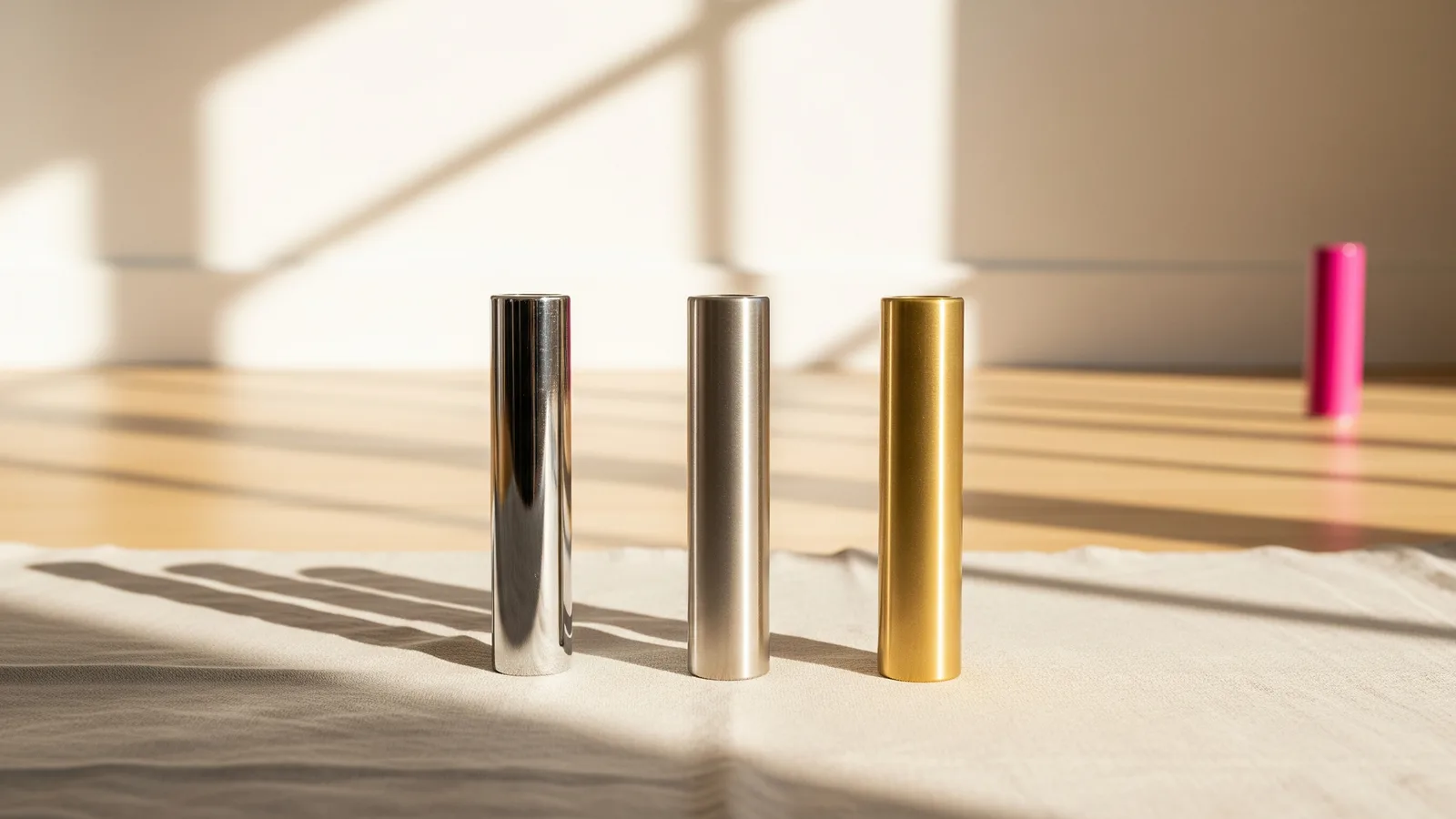
Chrome vs Stainless Steel vs Brass: Pole Finishes Explained
How chrome, stainless steel, brass and titanium-gold poles differ on grip, allergies, cost and climate — so you can pick the right finish for your skin and home.