Getting Started
Pole Dancing for Men in the UK: Classes, Culture and Getting Started
A practical guide to pole dancing for men in the UK — mixed versus men's classes, what to wear, the culture, and how to find a studio and book your first session.
Pole Club Team5 min read
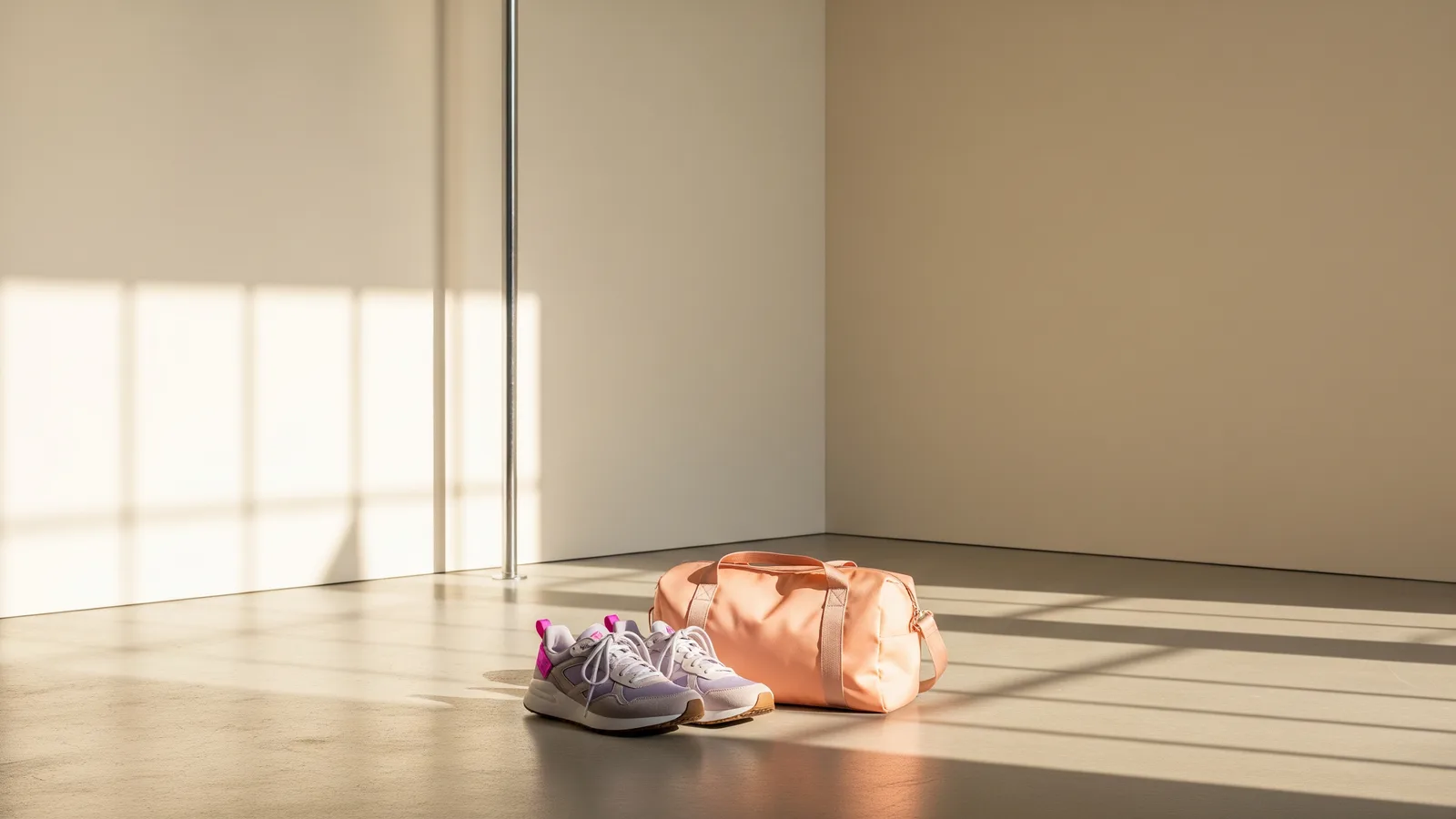
Men absolutely do pole dancing, and the UK has a growing number of male polers training in studios up and down the country. Pole demands serious upper-body and core strength, which is part of why it's drawn so many men into it as a genuine athletic pursuit. This is the practical getting-started guide — where to train, what to expect, what to wear, and how the culture actually feels once you're in the room.
If you want the broader story of how men fit into UK pole culture, its competitive scene and the misconceptions around it, our companion piece on men in UK pole covers that ground. This guide stays practical: it's the how-to-actually-start version for a bloke weighing up his first class and wondering whether he'll be the only one there.
Can men do pole dancing?
Yes, men do pole dancing at every level, and there's a long-standing tradition of male pole athletes. Two related disciplines — Chinese pole, historically a men's circus art, and modern pole sport — feature men prominently, and mainstream pole fitness studios teach male beginners routinely. The idea that pole is a women-only activity is a recent cultural assumption, not a reflection of the sport's actual history.
Physically, pole plays to strengths many men already have and builds the ones they don't. It rewards grip, pressing strength and core control, while demanding flexibility and body awareness that most gym training neglects. Plenty of men arrive from calisthenics, climbing or the gym and find pole is one of the most complete strength challenges they've tried.
Mixed classes or men's classes — which should I choose?
Most men in the UK start in mixed beginner classes, because that's what the majority of studios offer, and it works perfectly well. A standard beginner course teaches the same fundamentals to everyone, and instructors are used to teaching a mix of bodies and starting points. You are very unlikely to be the first man a studio has taught.
Men-only classes do exist in some UK cities, and they can be a comfortable entry point if you'd rather learn alongside other male beginners at first. Neither option is better; it comes down to what will get you through the door and coming back. Here's how they compare:
| Mixed beginner class | Men's class | |
|---|---|---|
| Availability | Offered by most UK studios | Limited to some cities and studios |
| Atmosphere | Varied group, established beginner format | Peers at a similar starting point |
| Best if | You want the widest choice of studios and times | You'd feel more at ease starting among other men |
If you're not sure which studio near you offers what, you can filter and compare in our UK pole class directory, and city hubs like pole classes in London list several studios side by side, and every listed UK town has its own page.
What's the culture actually like for men in pole?
The pole community is, on the whole, welcoming and quick to encourage anyone who commits to learning — men included. The self-consciousness most male beginners carry in tends to fade fast once they realise nobody is watching them struggle with a first spin, because everyone's too busy with their own. Turning up regularly and being genuinely willing to learn earns you respect far more than any prior athleticism does.
It's worth acknowledging that men are still a minority in most UK studios, and you may occasionally be the only man in a class. In a good studio that's a non-issue — you're a beginner among beginners. Studios that run inclusive, well-taught beginner courses tend to make this a comfortable experience from the first session, which is exactly what a taster is for.
What's the first class actually like?
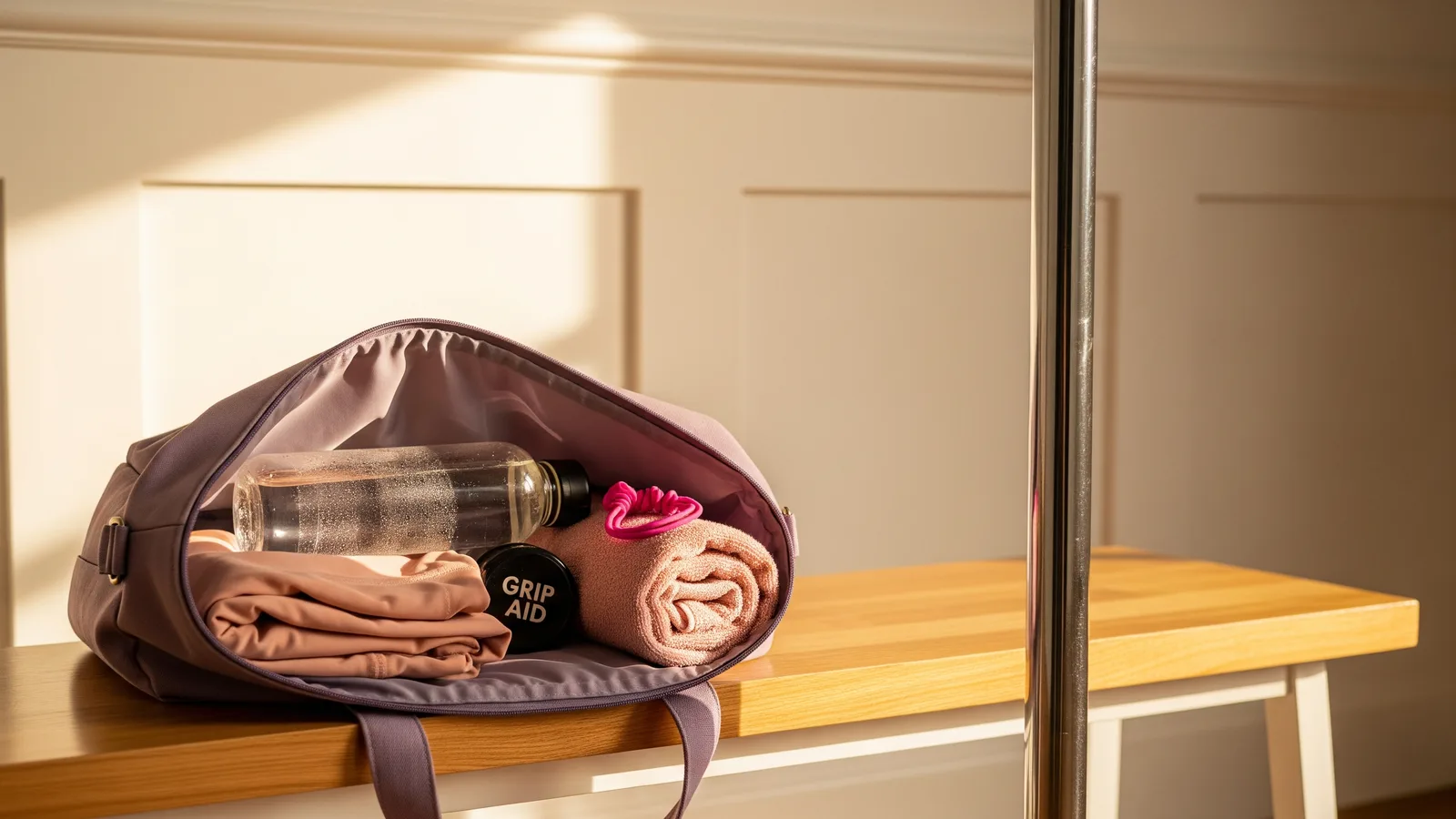
Your first men's or mixed class will open with a warm-up, move through two or three beginner spins or holds, and finish with a stretch — the same shape every beginner meets. You'll likely share a pole with one or two others, taking turns while the instructor gives feedback and spots you. Nobody expects polished moves on day one; the first term is about getting comfortable holding your own weight.
The awkwardness of gripping a metal pole for the first time is universal, and your hands will feel useless before they don't — that's grip being a skill you build, not a thing you're born with. For the honest, minute-by-minute version of what a first session feels like, including the bits nobody warns you about, our first-class walkthrough covers it. Most people leave with at least one spin they're quietly proud of.
What do men wear to pole class?
Wear fitted shorts and a t-shirt or vest to pole class — you need bare skin on your legs and arms to grip the pole, so shorts matter more than they might feel comfortable at first. Loose gym shorts and long leggings slide, which is why most polers of any gender wear shorter, fitted shorts once they understand why. You can start with longer shorts and shorten up as you get comfortable.
Skip moisturiser, oils and heavy deodorant on your skin on class day, because they leave a film that kills grip. Come with clean, dry skin, and take off rings and watches so nothing scratches the pole. A grip aid like Dry Hands helps if your palms sweat — most studios have some to try, and it's a normal part of finding your grip.
How do I get started and build the strength for it?
Getting started is simple: find a studio running a genuine beginner course, book a taster, and turn up in shorts. You do not need to arrive already strong — beginner classes build the specific grip, core and shoulder strength pole needs, starting with simple spins and holds. One class a week with proper rest between sessions is plenty at first.
If you want to build supporting strength between classes — and pole rewards it — gentle, targeted conditioning helps more than hammering random gym work. Our at-home conditioning guide builds the right muscles, and the Pole Club Foundation Course is a structured way to develop the strength and body awareness that make studio sessions click faster. Neither replaces a class, but both make the early weeks smoother — and pole may well become the most satisfying strength work you do.
Common questions
- Is pole dancing good for men's fitness?
- Yes. Pole is a demanding full-body workout that builds grip, core, back and shoulder strength while improving flexibility and body awareness — areas typical gym training neglects. Many men arrive from calisthenics or climbing and find pole one of the most complete strength challenges they've tried.
- Are there men-only pole classes in the UK?
- Some UK studios in larger cities run men-only or men-focused pole classes, though they're less common than mixed beginner classes. Most men start in standard mixed beginner courses, which teach the same fundamentals. Check individual studio listings or ask the studio directly about their class options.
- Do I need to be strong before starting pole as a man?
- No. Beginner classes build the strength you need from scratch, starting with simple spins and holds. Existing upper-body strength helps, but it isn't required. Turn up in shorts, learn the fundamentals, and add gentle conditioning between classes if you want to progress faster.
- What should men wear to a pole class?
- Fitted shorts and a t-shirt or vest. You need bare skin on your legs and arms to grip the pole, so shorts are essential even though they may feel unfamiliar at first. Skip moisturiser and oils on class day, and remove rings and watches.
- Will I be the only man in a pole class?
- Possibly, depending on the studio, though men in UK pole are a growing group. In a good studio it's a non-issue — you're a beginner among beginners. If it matters to you, ask the studio about their typical class mix, or look for a men's class, before booking.
Keep reading
See all posts →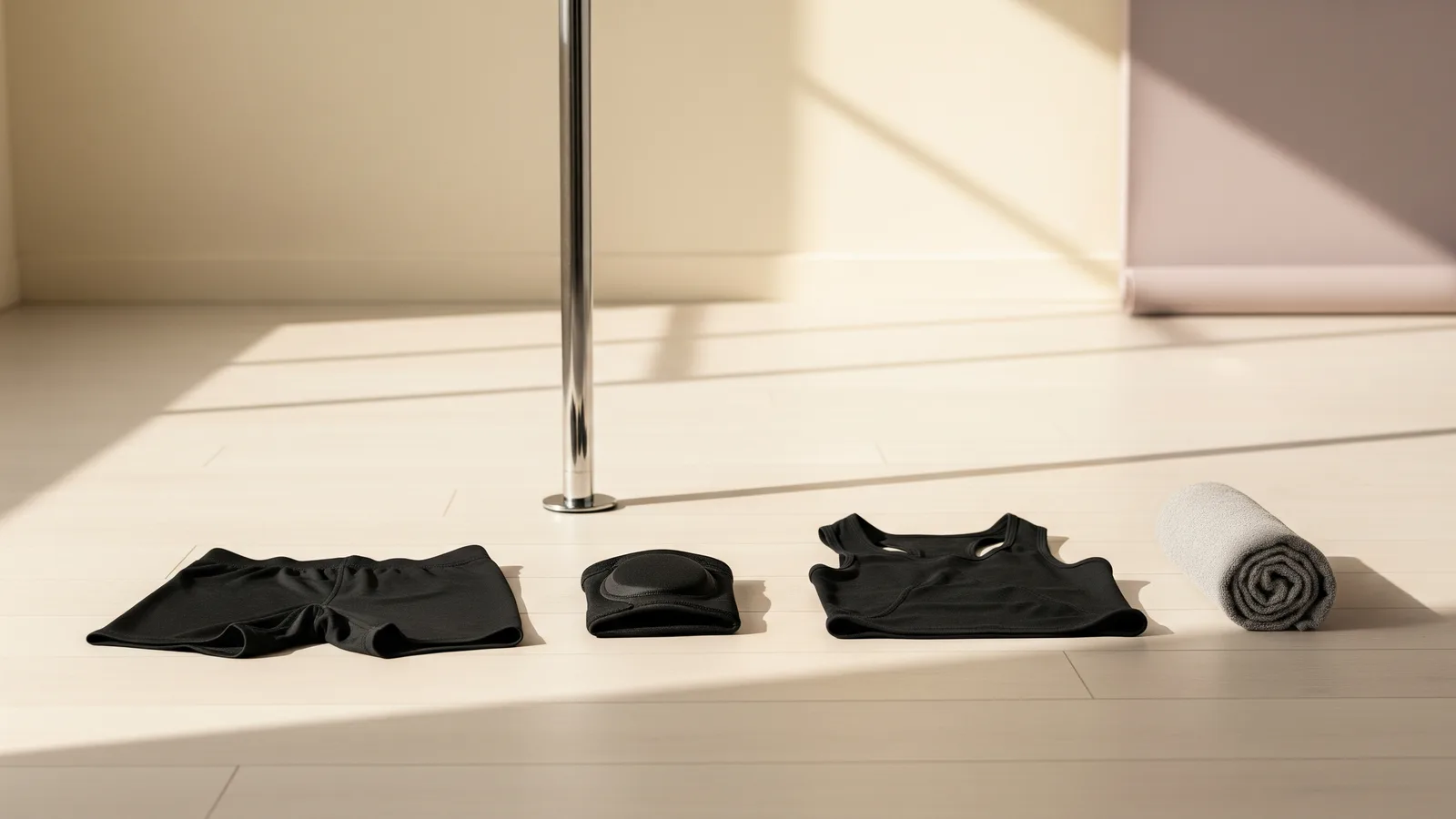
Getting Started
What to Wear to Pole Dancing Class (And What to Leave at Home)
The grip-first guide to what to wear to pole class: why shorts beat leggings, what to leave at home, coverage for the self-conscious, and seasonal notes.
Getting Started
What to Expect at Your First Pole Dancing Class: An Honest Walkthrough
A minute-by-minute logistics guide to your first pole class — arriving, waivers, warm-up, sharing a pole, the moves you'll try, and what to do after.
Getting Started
Can You Teach Yourself Pole Dancing? What Self-Taught Polers Say
Can you teach yourself pole dancing? You can learn the basics at home — but a qualified instructor prevents bad habits and injuries, especially before you invert.