Getting Started
Do You Need to Be Flexible to Pole Dance?
The honest answer on flexibility and pole: no, you don't need it to start. Here's how flexibility develops through classes and what it helps with later.
Pole Club Team4 min read
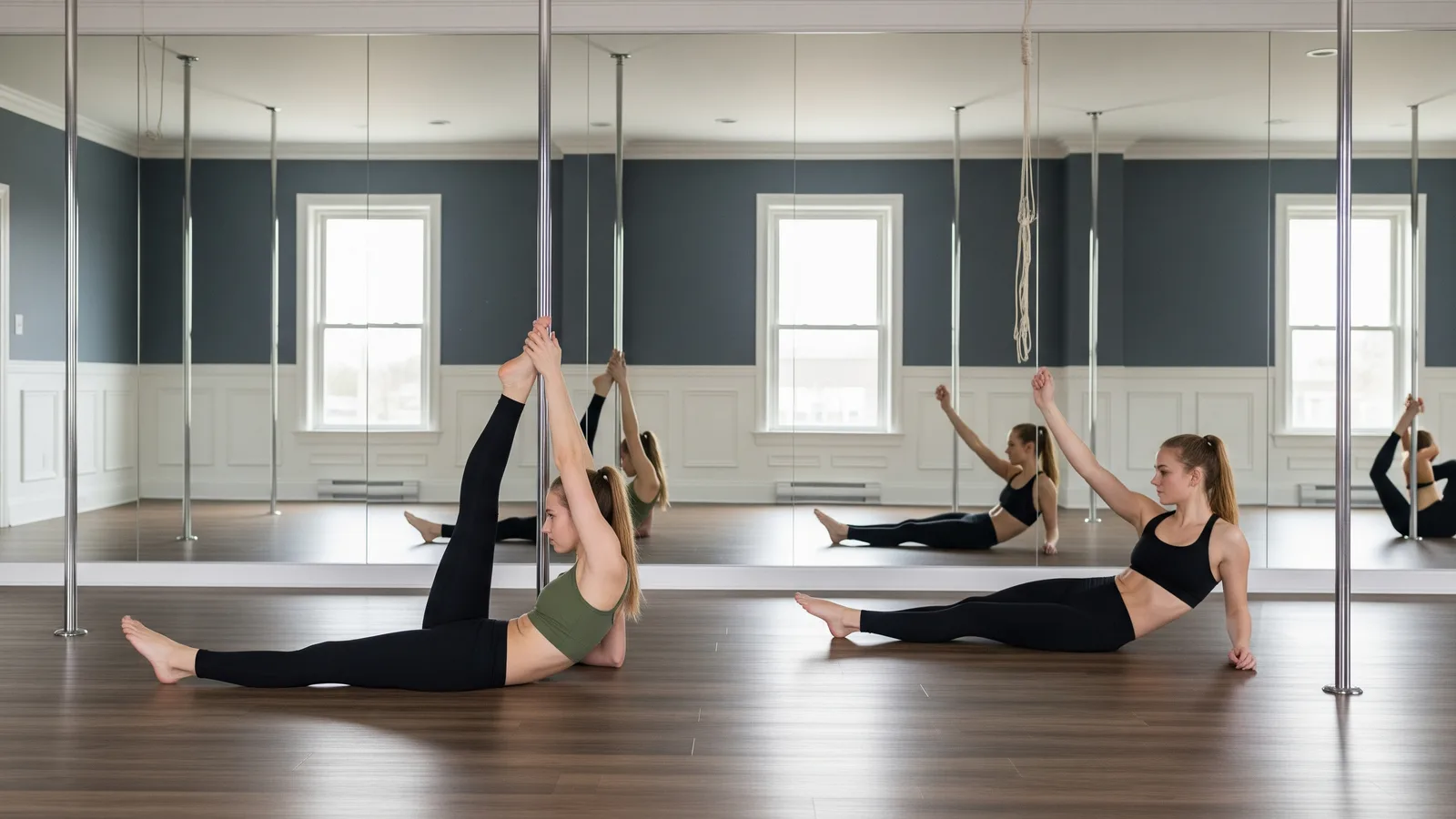
No — you do not need to be flexible to start pole dancing. Your first moves are spins, sits and simple holds that don't ask anything of your splits or your backbend. Flexibility is something pole gives you over time through the stretching built into every class, not something you need to arrive with.
Being stiff is one of the most common reasons people talk themselves out of a first class, and it's the wrong worry. Plenty of polers start unable to touch their toes and stay that way for months while still learning spins, climbs and their first inverts. The bendy poses come much later, if you want them at all.
Can you pole dance if you're not flexible at all?
Yes — you can absolutely pole dance while completely stiff. Beginner pole is a strength and technique sport first, and a flexibility sport a distant second. The fireman spin, the pole sit and the climb that fill your early classes need grip and body position, not range of motion. Your hamstrings and hips being tight simply won't come up.
Instructors are used to teaching stiff beginners, because most beginners are stiff — desks and daily life leave nearly everyone tighter than they'd like. Nothing in a first term requires you to be bendy, and a good teacher scales any move to the range you have on the day. Turning up inflexible is normal, not a disadvantage.
How does flexibility develop through pole classes?
Flexibility develops through pole gradually, because every class includes a warm-up and a cool-down that stretch the muscles pole uses, and repeated exposure slowly opens up your range. You don't have to run a separate stretching regime to get more flexible — the classes themselves nudge your shoulders, hips and spine looser over the weeks.
The change is slow and easy to miss day to day, then obvious over a season. Shoulders that felt locked in month one move more freely by month three, and poses that once looked impossible start to feel merely hard. Flexibility responds to consistent, gentle work far better than to occasional forcing, which is exactly the rhythm regular classes provide.
What does flexibility actually help with in pole?
Flexibility helps most with the aesthetic and advanced side of pole rather than the fundamentals. Once you're past the basics, open shoulders make certain grips more comfortable, flexible hips and hamstrings unlock splits-based poses, and a supple spine makes backbends and shapes like the cocoon or the closed flag possible. It's the difference between doing a move and making it look effortless.
None of that is needed for your first months, though. Think of flexibility as a door to a particular style of pole — the flowing, extended, photogenic shapes — that you can choose to walk through later. Many polers pursue strength and tricks for years while barely touching deep flexibility work, and they're doing pole perfectly well.
Does age or being naturally stiff make it harder?
Neither age nor natural stiffness stops you starting pole, though very tight muscles may make a few later poses take longer to reach. Beginner classes are full of people who came to pole in their thirties, forties and beyond, and of people who've been stiff their whole lives — the sport meets you where you are and improves your range from there rather than demanding it upfront.
If you have a genuine limitation — a past injury, a joint condition, hypermobility that needs managing — tell your instructor before you start so they can adapt what you do. That's information for them to work with, not a reason to stay away. A good teacher would far rather know than watch you push into something your body isn't set up for.
Should beginners do extra stretching at home?
You don't need to do extra stretching at home to start pole dancing, but a little gentle mobility work can make classes feel more comfortable and speed up your range over time. If you want to, keep it light and consistent rather than intense — a few minutes of easy shoulder, hip and hamstring stretches on a warm body most days beats a punishing session once a week.
The safest approach is to follow the stretches your instructor teaches in class and repeat those at home, since they target exactly what pole uses. Our moves dictionary shows which shapes call for more flexibility as you climb the levels, so you can see what's worth working towards. There's no rush — build the strength first and let the flexibility follow.
Where should a stiff beginner start?
A stiff beginner should start exactly where everyone else does: a proper beginner class, focusing on grip and technique, with flexibility left to develop on its own timeline. Don't wait until you're bendier to book — that's backwards, because the classes are what make you bendier. The best time to start is now, tight hamstrings and all.
A structured foundation helps you build the strength and body awareness that early moves rely on, and the flexibility rides along for free. The Pole Club Foundation Course is a sensible starting point, and the wider beginner's guide to pole walks through your first weeks. When you're ready for a class, the UK studio directory lists studios by town.
Common questions
- Do I need to be able to do the splits to pole dance?
- No. The splits are only needed for a handful of advanced, aesthetic poses that come much later, if you choose to chase them at all. Your first months of spins, sits and climbs need no splits whatsoever. Many polers never train the splits and still enjoy the sport fully.
- I'm really stiff — will pole dancing make me more flexible?
- Yes, gradually. Every class includes warm-up and cool-down stretches that slowly open your shoulders, hips and spine, so consistent training loosens you over the weeks and months. The change is easy to miss day to day and obvious across a season. You don't need a separate stretching routine to benefit.
- Is flexibility or strength more important for beginner pole?
- Strength and technique matter far more for beginners. Early moves rely on grip and body position, not range of motion, so you can progress a long way while completely stiff. Flexibility becomes relevant later for advanced, aesthetic shapes, and it develops naturally through the classes as you go.
- Should I improve my flexibility before starting pole?
- There's no need to wait. Book a beginner class now — the classes themselves build your flexibility over time, so delaying until you're bendier is backwards. If you'd like a head start, a few minutes of gentle, warmed-up mobility work most days helps, but it's optional rather than a prerequisite.
Keep reading
See all posts →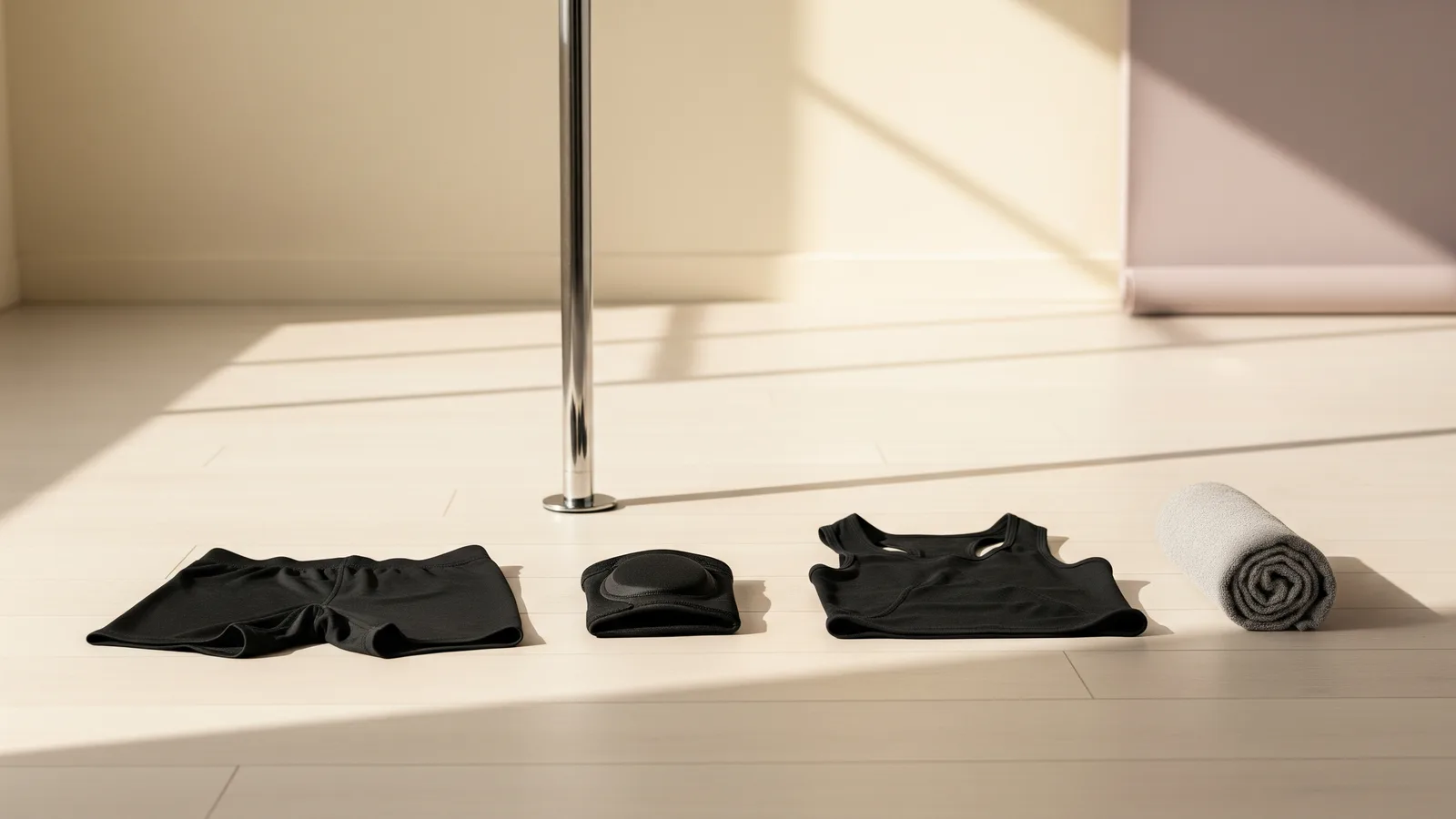
Getting Started
What to Wear to Pole Dancing Class (And What to Leave at Home)
The grip-first guide to what to wear to pole class: why shorts beat leggings, what to leave at home, coverage for the self-conscious, and seasonal notes.
Getting Started
What to Expect at Your First Pole Dancing Class: An Honest Walkthrough
A minute-by-minute logistics guide to your first pole class — arriving, waivers, warm-up, sharing a pole, the moves you'll try, and what to do after.
Getting Started
Can You Teach Yourself Pole Dancing? What Self-Taught Polers Say
Can you teach yourself pole dancing? You can learn the basics at home — but a qualified instructor prevents bad habits and injuries, especially before you invert.