Getting Started
Is Pole Dancing Hard? What Beginners Find Difficult (and What Gets Easier)
Is pole dancing hard? Honestly, parts are — here's what beginners genuinely struggle with at first, and what gets easier surprisingly fast.
Pole Club Team4 min read
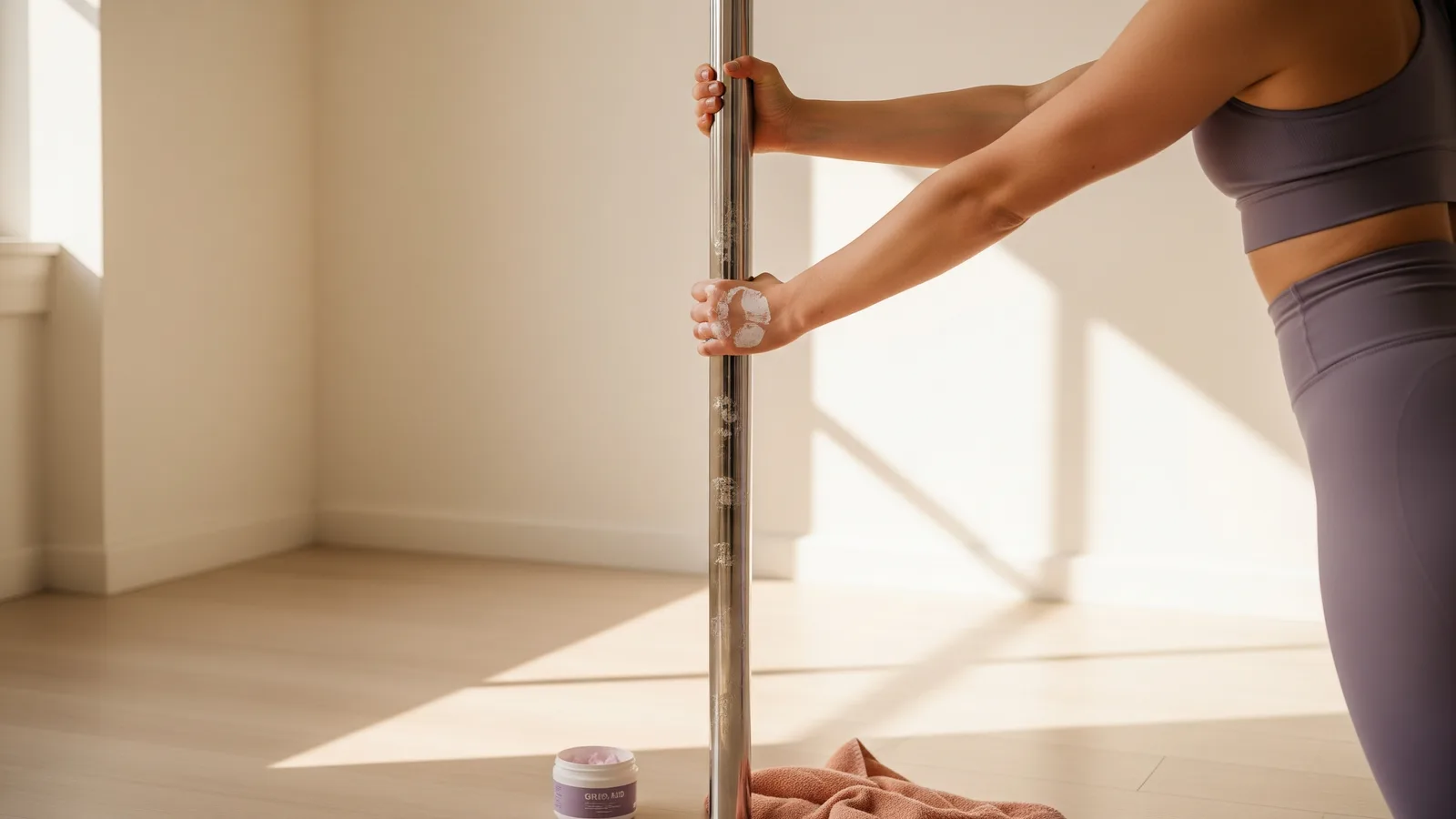
Pole dancing is hard in parts and surprisingly manageable in others. The honest answer is that it's physically demanding and humbling at first — gripping, holding your own weight and battling dizziness are real hurdles — but the steepest difficulties ease within weeks. It's challenging in a way most people find satisfying rather than defeating.
The trap is assuming the impressive tricks you've seen are the difficulty level of day one. They aren't. What's genuinely hard at the start is small and specific, and it's not the same list as what's hard six months in. Knowing which is which takes most of the fear out of booking.
What is genuinely hard about pole dancing at first?
The genuinely hard parts of beginner pole are physical and sensory rather than a matter of talent. Almost everyone struggles with the same short list in their first few classes, and none of it means you're not cut out for it. Here's what actually catches people out early:
- Grip — your hands and forearms tire fast and sweat undermines your hold — this is the number-one early complaint
- Holding your own weight — spins and sits ask you to support your bodyweight in ways daily life never does, and it feels shaky at first
- Dizziness on spinning pole — the free rotation can make your head swim in the early sessions until your body adapts
- Grip marks and tenderness — the pole kisses on your inner thighs and arms sting a little before your skin toughens
- Coordination — linking a walk into a spin uses a timing your body hasn't met before
Notice what's not on that list: needing to be strong, flexible or naturally graceful to begin. The early difficulty is your body meeting an unfamiliar demand, not a fitness bar you have to clear first.
Why is grip the hardest part for beginners?
Grip is the hardest part of early pole because holding onto a smooth metal pole is a skill your hands have never trained, and it fails you exactly when you're nervous and sweating. You can have the technique of a move right and still slide off simply because your hands gave out — which is frustrating until you realise it's normal and fixable.
It's also the fastest thing to improve. Grip strength and skin conditioning respond quickly to regular exposure, and the right kit closes the gap in the meantime — a wipe-down towel, product-free skin, and a grip aid on sweaty days. Our grip guide covers what actually helps versus what's marketing. Slippery grip is a beginner rite of passage, not a verdict on your ability.
What gets easier surprisingly fast?
A lot gets easier quickly in pole, which is why the early wall feels less like a wall once you're past a few classes. The difficulties that feel enormous in week one are often gone by week four. Here's what tends to ease fastest:
- Dizziness — your inner ear adapts to spinning pole within a handful of sessions and the swimming feeling fades
- Grip endurance — your hands and forearms toughen and last longer noticeably from one week to the next
- The nerves — the anxiety that makes a first class feel huge mostly evaporates once the room is familiar
- Bruising sensitivity — the pole kisses hurt less as your skin conditions, and you stop noticing new ones
- Your first spin — the move that felt impossible standing at the pole usually clicks within a class or two
“The first spin that felt impossible on Monday is often the one you nail without thinking on Thursday.”
Is pole dancing hard compared to other exercise?
Pole is harder than a typical gym class in some ways and easier in others. It demands more grip and upper-body work than most beginners are used to, so it feels tough early on, but it's far more engaging than a treadmill, which is why people stick with it through the hard bit. The challenge is the appeal, not a barrier.
It's also a strength sport that happens to be fun, so the effort doesn't feel like a chore. As a workout it builds grip, core and upper-body strength while raising your heart rate, and for a rough sense of the intensity, a class sits in the same ballpark as a moderate workout — think roughly 250-400 kcal an hour depending on the session and your body. The difficulty and the reward are the same thing.
How do you make pole dancing feel less hard?
You make pole feel less hard by turning up consistently, respecting the difficulty instead of fighting it, and letting technique do the work your strength can't yet. One class a week is enough to make each session noticeably easier than the last, because your grip, skin and confidence compound between visits. Trying to sprint through the early stages usually just leads to sore, discouraged beginners.
It also helps to expect the hard parts rather than be blindsided by them. Sweaty hands, wobbly holds and a bit of dizziness are the normal texture of learning pole, not signs you're failing. The complete beginner's guide to pole sets the wider expectations, and the first ten pole moves shows how gently the difficulty ramps. When you're ready, browse the UK studio directory and book a beginner class near you.
Common questions
- Is pole dancing too hard for a complete beginner?
- No. Beginner classes are built for people with no strength, flexibility or dance background. The hard parts — grip, holding your weight, dizziness — are real but ease within a few weeks of weekly classes. It's challenging in a satisfying way, and instructors scale every move to your level.
- What is the hardest thing about learning pole dancing?
- Grip is the hardest part for most beginners. Holding onto a smooth metal pole is a new skill for your hands, and sweat makes it worse just when you're nervous. It's also the fastest thing to improve, responding quickly to regular practice, product-free skin and a grip aid on humid days.
- Does pole dancing get easier over time?
- Yes, and faster than most people expect. Dizziness fades within a few sessions, grip endurance builds week on week, nerves settle once the room is familiar, and your first spin usually clicks within a class or two. The steepest early difficulty gives way to steady, enjoyable progress.
- Why do I keep sliding off the pole?
- Almost always moisture, not weakness. Body lotion, sweat or a warm-skinned humid day all cut your grip on the pole. Skip moisturiser before class, keep a towel to wipe your hands and the pole, and ask your instructor for grip aid. Your grip endurance also improves quickly with practice.
Keep reading
See all posts →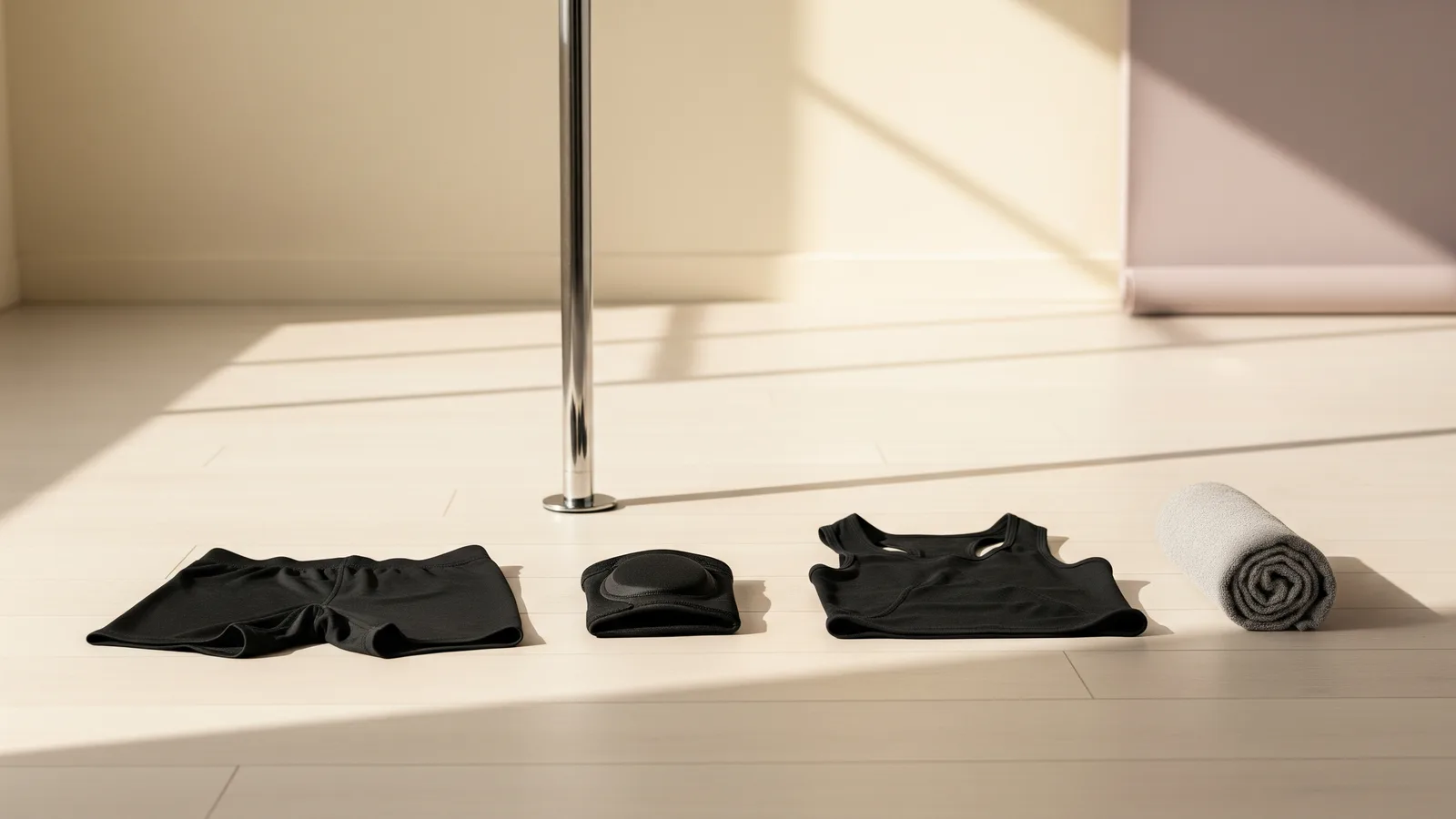
Getting Started
What to Wear to Pole Dancing Class (And What to Leave at Home)
The grip-first guide to what to wear to pole class: why shorts beat leggings, what to leave at home, coverage for the self-conscious, and seasonal notes.
Getting Started
What to Expect at Your First Pole Dancing Class: An Honest Walkthrough
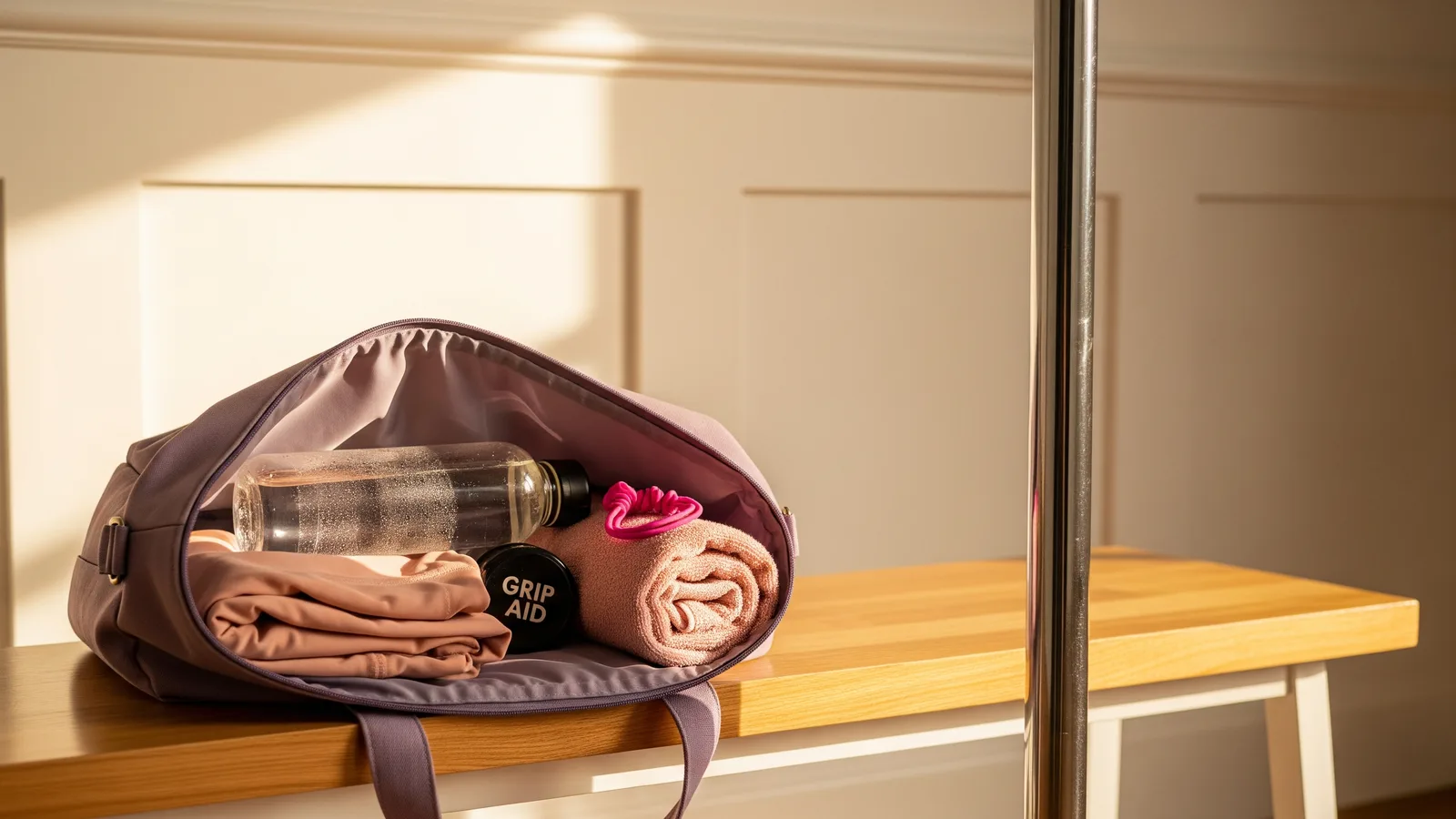
A minute-by-minute logistics guide to your first pole class — arriving, waivers, warm-up, sharing a pole, the moves you'll try, and what to do after.

Getting Started
Can You Teach Yourself Pole Dancing? What Self-Taught Polers Say
Can you teach yourself pole dancing? You can learn the basics at home — but a qualified instructor prevents bad habits and injuries, especially before you invert.