Getting Started
Moisturiser, Fake Tan, Glitter: The Grip Sins Ruining Your Pole Class
Using moisturiser before pole class is the most common grip sin there is. Here's why lotions, oils, fake tan and glitter wreck your grip — and what to do instead.
Pole Club Team4 min read
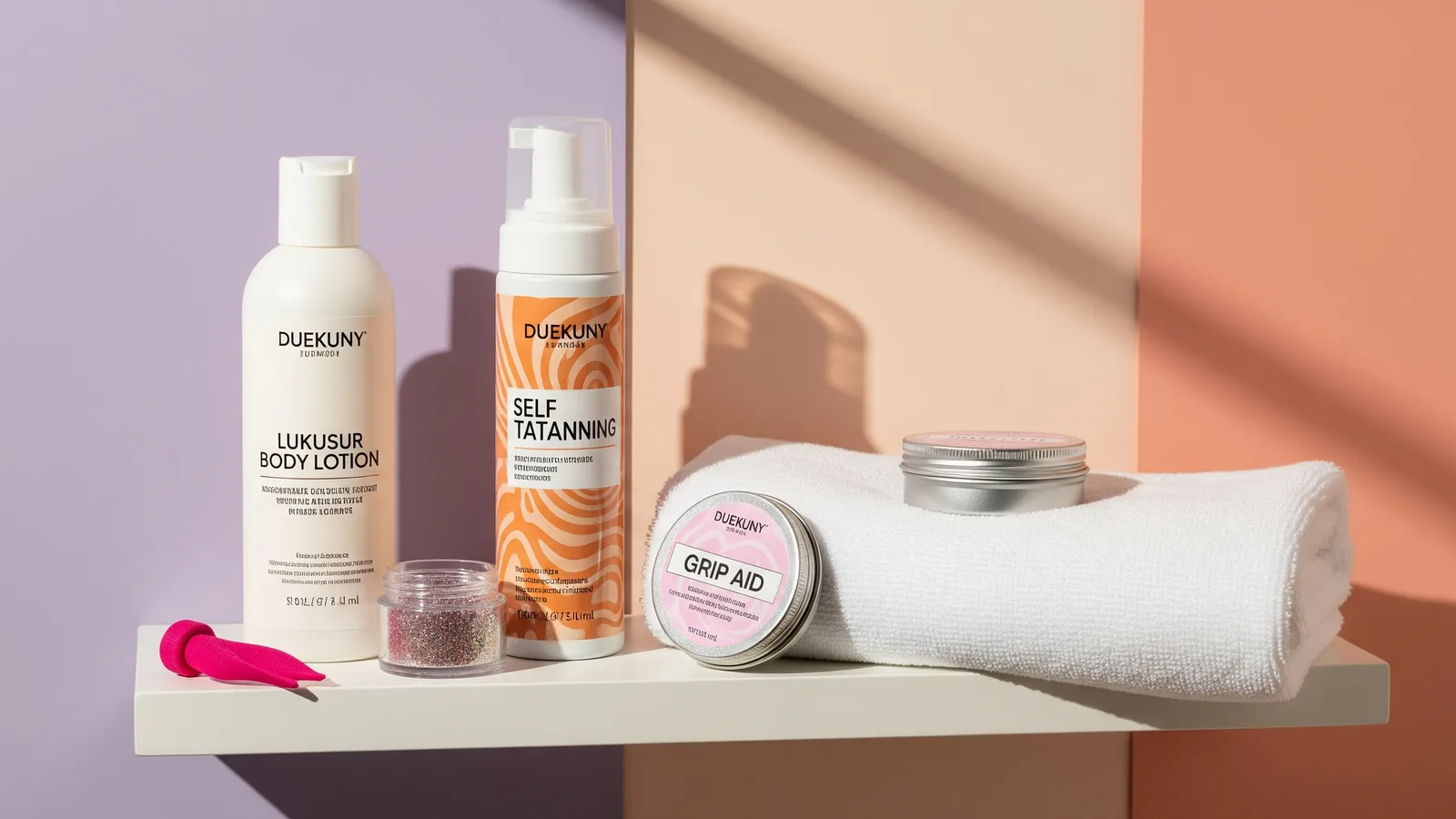
Skip the moisturiser before pole class — it's the single most common reason a beginner's grip fails. Lotions, oils, fake tan and glitter all leave a film between your skin and the pole, and grip is the first thing to go when there's a barrier in the way. Come with clean, dry skin, and leave the pampering for after you've trained.
The frustrating part is that this catches people out precisely when they're trying to look and feel their best for class. A fresh application of body lotion or a glitter top-up feels like self-care, but on a chrome pole it's the difference between a spin that holds and a spin that slides. Understanding why these products kill grip — and how long before class to skip them — saves you a wasted session.
Why does moisturiser before pole class ruin your grip?
Moisturiser ruins your grip because it coats your skin in an emollient film designed to sit on the surface and stop moisture escaping — which is exactly the opposite of what you want against a pole. Your skin grips chrome through friction and slight tackiness, and any lotion, oil or cream turns that into a slick layer. Even a thin morning application can be enough to send you sliding.
It's not just your own grip that suffers, either. Whatever's on your skin transfers onto the pole, so a slippery moisturised leg leaves a greasy residue for the next person sharing that pole. Studios spend a lot of time wiping poles down between turns; arriving with clean, dry skin is as much studio etiquette as it is self-interest.
What are the grip sins to avoid before class?
The grip sins are anything that leaves a film or residue on your skin: moisturiser, body oil, fake tan, glitter, heavy perfume and thick sun cream all belong on the list. Each one interferes with the friction your skin needs against the pole. Here are the usual culprits and why they cause trouble.
- Moisturiser and body lotion — the classic grip killer. Even a morning application leaves a film that slides.
- Body oil and cocoa butter — worse than lotion; oil and chrome do not mix.
- Fake tan — the guide colour and DHA layer transfer onto the pole and slide badly, and freshly tanned skin is often still slightly damp.
- Glitter and body shimmer — flakes off onto the pole, ruins grip for you and everyone after you, and gets everywhere.
- Heavy perfume or scented sprays — the oils in them settle on skin and, in a shared space, can bother others too.
- Thick sun cream — same emollient-film problem as moisturiser; if you've been outdoors, wash it off first.
How long before pole class should you skip moisturiser?
Skip moisturiser on the day of your pole class — ideally don't apply any lotion, oil or cream to your legs, arms or hands from the morning of class onwards. If you moisturise as part of a daily routine, do it the night before instead, so it's fully absorbed and washed down by class time. On class day, a plain shower and a good towel-dry is all your skin needs.
Fake tan needs even more lead time. If you want a tan for an event, apply it a couple of days before any pole session and rinse the guide colour off thoroughly, because the surface layer is what transfers and slides. When in doubt, the rule is simple: the cleaner and drier your skin, the better it grips.
What if you've already put moisturiser on?
If you've already moisturised, wash the affected skin with warm water and soap before class, focusing on the legs, arms and hands you'll use to grip. Most studios have a bathroom you can nip into, and a proper wash removes most of the film. A dry flannel or towel finish helps lift any residue soap leaves behind.
If washing isn't possible, tell your instructor — they'd far rather know than watch you slide off a spin and blame yourself. A studio grip aid can rescue a lot, and knowing which product suits your skin and situation makes a real difference. Our grip guide explains the main types, and the grip aid buying guide helps if you want your own tin for slippery-skin days.
“Clean, dry skin grips chrome better than any product can rescue. The best grip aid is the moisturiser you didn't put on.”
Does grip aid fix a moisturiser mistake?
Grip aid can help but it won't fully fix skin that's coated in lotion or oil — the film underneath still gets in the way. Grip aid works best on clean, dry skin where it enhances your natural tackiness rather than fighting a barrier. Think of it as the finishing touch on good prep, not a rescue for bad prep.
Naturally sweaty or naturally dry hands both have their own grip aids, so the right product depends on your skin, not just the situation. If you're new to all this, our complete beginner's guide to pole covers class-day prep alongside everything else, and the what to wear guide explains why bare, clean skin — not just the right shorts — is what makes grip work.
Common questions
- Can I use moisturiser the night before a pole class?
- Yes. Moisturising the night before is fine because it fully absorbs and washes down overnight. The problem is same-day application, which leaves a film on your skin that slides against the pole. On class day, a plain shower and a thorough towel-dry is all you need.
- Why does fake tan ruin pole grip?
- Fake tan ruins grip because its guide colour and surface layer sit on top of your skin and transfer onto the pole, making both slippery. Fresh tan is often slightly damp too. If you tan, do it a couple of days ahead and rinse the guide colour off well.
- I moisturised this morning and have class tonight — what do I do?
- Wash the skin you'll grip with — legs, arms and hands — using warm water and soap before class, then towel-dry thoroughly. Most studios have a bathroom you can use. Tell your instructor too; a grip aid on clean, dry skin will help rescue the session.
- Does grip aid work if my skin still has lotion on it?
- Not well. Grip aid enhances your skin's natural tackiness, but it can't overcome a film of moisturiser or oil underneath. It works best on clean, dry skin. Wash the lotion off first, then apply grip aid as a finishing touch rather than a fix.
Keep reading
See all posts →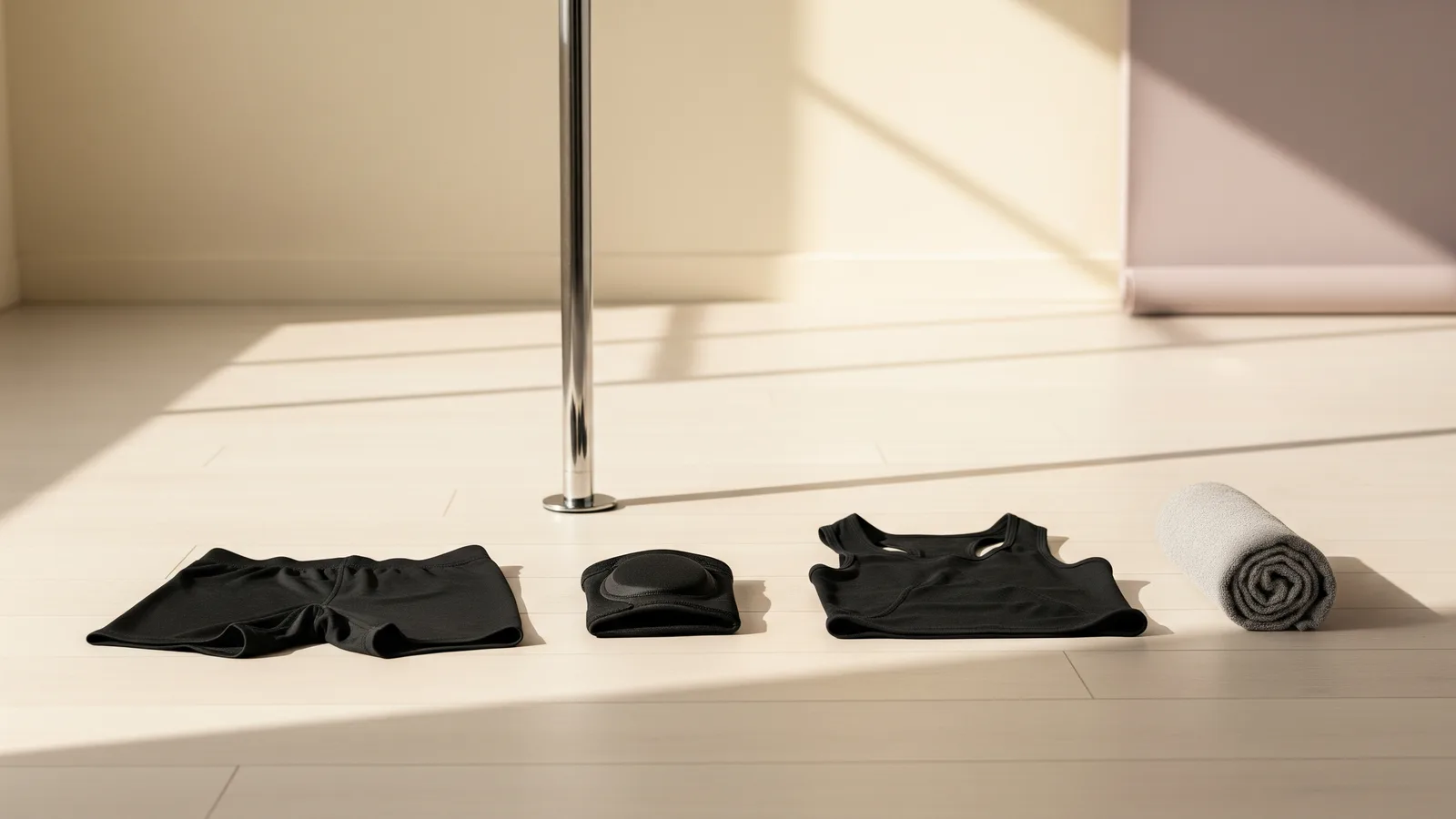
Getting Started
What to Wear to Pole Dancing Class (And What to Leave at Home)
The grip-first guide to what to wear to pole class: why shorts beat leggings, what to leave at home, coverage for the self-conscious, and seasonal notes.
Getting Started
What to Expect at Your First Pole Dancing Class: An Honest Walkthrough
A minute-by-minute logistics guide to your first pole class — arriving, waivers, warm-up, sharing a pole, the moves you'll try, and what to do after.
Getting Started
Can You Teach Yourself Pole Dancing? What Self-Taught Polers Say
Can you teach yourself pole dancing? You can learn the basics at home — but a qualified instructor prevents bad habits and injuries, especially before you invert.