Classes & Costs
How to Practise Pole on a Budget
Practical ways to do pole dancing on a budget — blocks over drop-ins, taster deals, minimal kit, off-pole practice at home and buying second-hand without cutting safety corners.
Pole Club Team5 min read
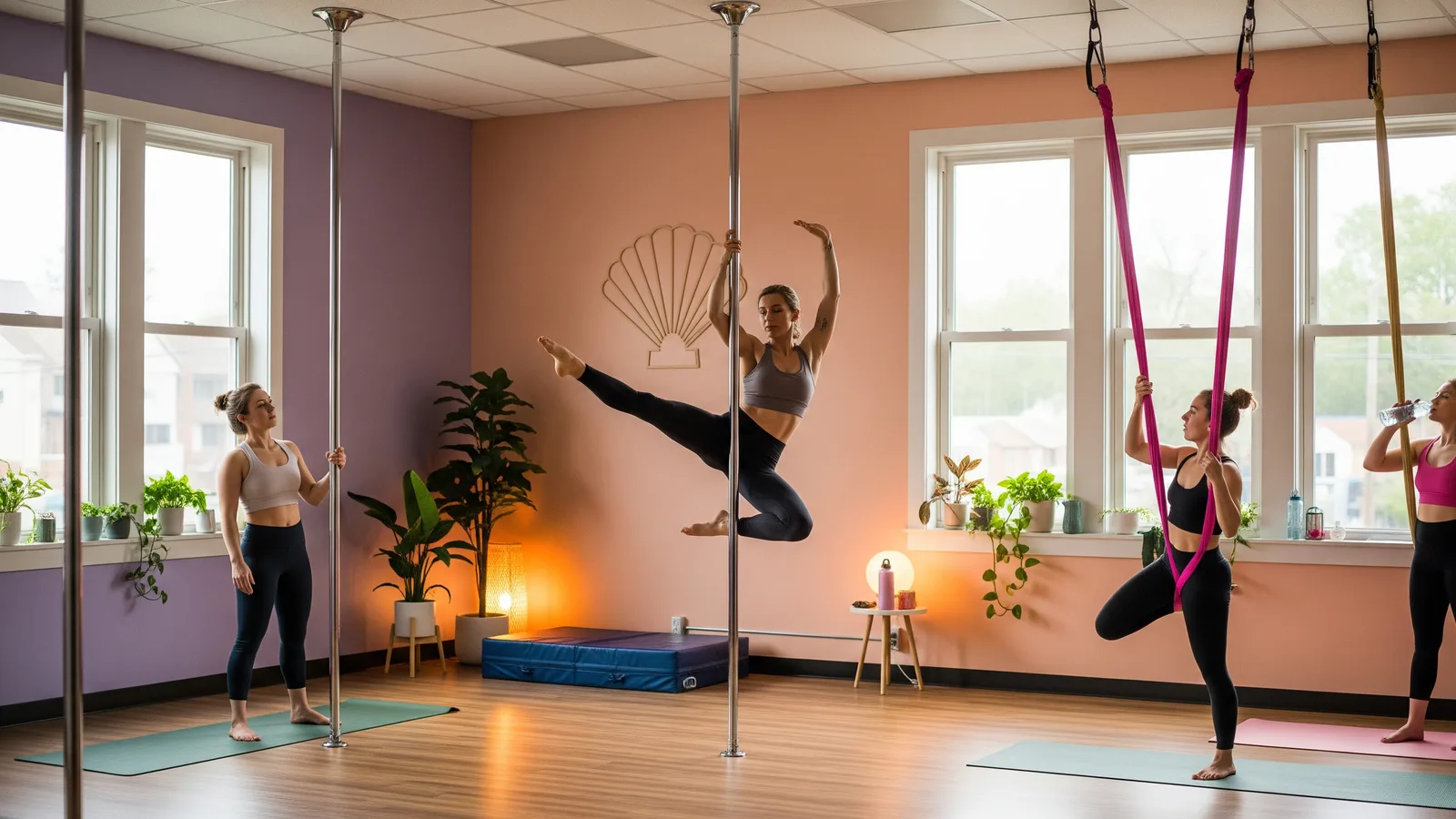
You can do pole dancing on a budget by buying classes in blocks instead of drop-ins, jumping on taster deals, wearing kit you already own, and doing your conditioning and flexibility work off-pole at home for free. The classes are the cost that matters; almost everything else can be trimmed without hurting your progress or safety.
Pole doesn't have to be a pricey habit. Most of the expense that puts people off is optional — specialist kit, a home pole, endless drop-ins — and there are honest ways to cut each one. What you should never cut is qualified instruction, because that's what keeps you safe. Here's how to spend less everywhere else.
How do I make classes cheaper?
The biggest saving in pole comes from how you pay for classes, not from skipping them. A block of classes almost always costs less per class than paying drop-in rates, and a monthly membership is cheaper still if you train often. Switching from drop-ins to a block is the single most effective budget move you can make.
- Buy blocks, not drop-ins — the per-class price usually falls from £15-£25 to £9-£16.
- Grab taster and intro offers — many studios do a first class for £5-£10.
- Ask about off-peak, daytime, student or NHS discounts if they apply to you.
- If you train twice a week or more, price up an unlimited membership — it may work out cheapest per class.
Deciding between a block and a membership comes down to how often you'll realistically train, which our guide to how often you should pole dance helps you work out. And before you commit anywhere, compare local prices on the Pole Club directory — rates vary a lot between studios in the same city.
What kit do I actually need to buy?
You need far less kit than pole marketing suggests: a pair of shorts, a fitted top you probably already own, and eventually a knee pad. That's it to start. Specialist polewear, your own grip aid, Pleasers and a home pole are all optional and can wait until you know pole has stuck.
Any close-fitting sports shorts and vest do the job for the whole beginner course, so raid your gym drawer before you buy anything. Studios lend grip aid, so you don't need your own tub straight away — only invest once you know whether you're a sweaty-palmed poler at all. The full guide to what to wear confirms how little you genuinely need on day one.
Can I practise for free between classes?
Yes — a lot of the work that makes you better at pole happens off the pole and costs nothing. Grip strength, core conditioning, shoulder stability and flexibility all improve with bodyweight exercises you can do on a mat at home, and they translate directly into cleaner, stronger pole work.
- Conditioning — planks, hollow holds, push-ups and dead hangs build the strength inverts need.
- Flexibility — regular gentle stretching and mobility work improves your lines for free.
- Grip — dead hangs and towel squeezes build the forearm strength pole demands.
- Technique review — rehearse choreography and drills you've been taught, and log your progress in a tracker like MyPole to stay motivated.
The key rule: practise the strength and flexibility work anywhere, but only practise actual pole moves you've already been taught in class. Never teach yourself inverts or tricks unsupervised to save on class fees — a saved tenner isn't worth an injury. If you're weighing up learning styles, group versus private lessons covers where your money goes furthest.
What budget mistakes should I avoid?
The most expensive budget mistake is skimping on instruction to save money — teaching yourself risky moves off a YouTube video can lead to injuries that cost far more than any class ever would, in physio bills and lost training time. Qualified teaching is the one thing you protect on any budget. Everything else is fair game for cutting.
The second common mistake is false economy on equipment: buying a cheap unbranded home pole to save £50, or a bargain-bin pair of shorts that don't grip. A poorly made pole is a safety risk and a poor pair of shorts makes every class harder. Where you do spend, spend on the thing that actually affects grip and safety, and save by cutting quantity — fewer, better purchases — rather than quality.
Is it worth buying a second-hand pole or kit?
A second-hand home pole can be a genuine budget win, but only if it's a reputable pressure-mounted brand with all its parts and no damage. A good used pole from a known maker holds its safety and value; a cheap unbranded one bought new is the false economy to avoid. Buy the brand second-hand rather than the bargain new.
Check the pole is complete, undamaged and the right diameter and finish before you buy, and be wary of poles missing fittings or with worrying wobble. Our guide to choosing a home pole explains which brands and specs to trust. Second-hand shorts and grip aid are less appealing for hygiene reasons — buy those new, but they're cheap anyway.
One more budget tip that costs nothing: community. Pole studios often have online groups, kit swaps and second-hand marketplaces where members sell poles, polewear and heels they've outgrown, sometimes for a fraction of retail. Getting to know your local pole scene is worth it socially, and it's quietly one of the best ways to pick up good kit cheaply once you're a regular.
Put simply: doing pole on a budget is about being smart with the classes — blocks, tasters and the right payment model — and honest about how little kit you need. Keep the instruction, trim everything else, and pole becomes an affordable habit. If you're just starting out, the beginner's guide to pole ties the whole picture together.
Common questions
- What's the cheapest way to do pole dancing?
- Buy classes in blocks rather than drop-ins, use any first-class or taster offer, wear shorts and a top you already own, and do your conditioning and flexibility work off-pole at home for free. Keep qualified instruction — that's the one cost worth protecting on any budget.
- Can I get good at pole without spending much?
- Largely yes. A block of classes plus free off-pole conditioning, flexibility and grip work at home gets you a long way for modest money. You don't need specialist kit, your own grip aid or a home pole to progress well through the beginner and improver stages.
- Is it safe to practise pole at home to save money?
- It's safe to do conditioning, flexibility and grip work at home, and to rehearse moves you've already been taught. It is not safe to teach yourself inverts or tricks unsupervised. Keep the risky spinning and inverting work inside a taught class with an instructor to spot you.
- Should I buy a second-hand pole to save money?
- A used pole can be a smart saving if it's a reputable pressure-mounted brand, complete, undamaged and the right size and finish. Avoid cheap unbranded poles new or used. Buy shorts and grip aid new for hygiene, but they're inexpensive anyway. Check condition carefully before buying.
Keep reading
See all posts →
Classes & Costs
Pole Class Etiquette: The Unwritten Rules Every Studio Wishes You Knew
The unwritten rules of pole class etiquette — wiping the pole down, sharing fairly, phones, hygiene and why you should never teach the person next to you. Fit in from class one.

Classes & Costs
The Real Cost of Starting Pole: A First-Year Budget Breakdown
What pole really costs in year one — classes, kit, grip aids and an optional home pole — broken down into casual, committed and keen budgets so you know what you're signing up for.
Classes & Costs
Are Pole Class Memberships Worth It? Drop-Ins vs Blocks vs Unlimited
The real maths of drop-ins vs blocks vs unlimited pole memberships — the break-even points, who each model suits, and how to avoid paying for classes you never take.