Getting Started
12 Things Pole Dancers Wish They'd Known Before Their First Class
Twelve genuinely useful pole dancing tips for beginners — from what to skip on your skin to why bruises are normal and how to make progress stick between classes.
Pole Club Team6 min read
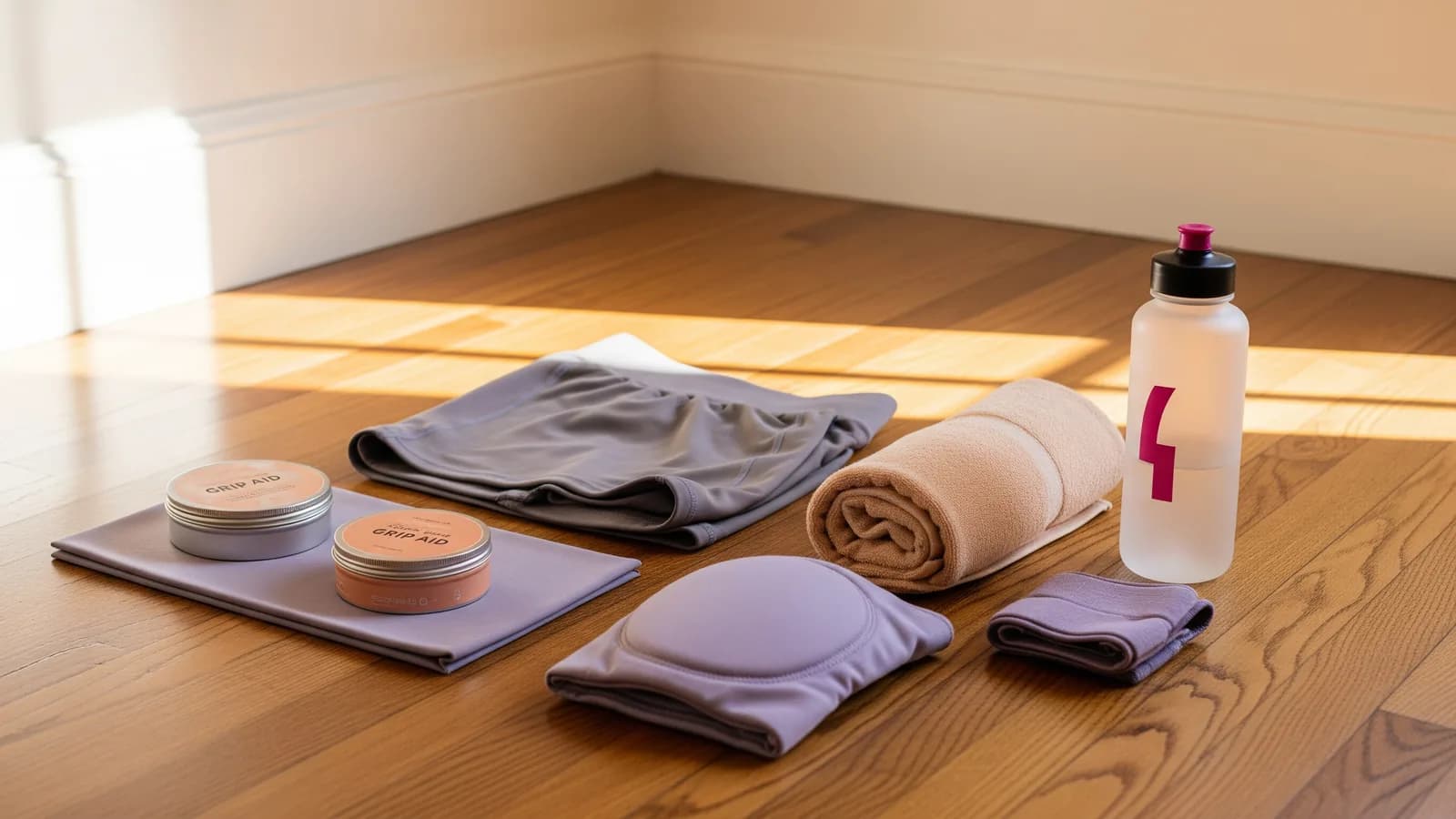
The best pole dancing tips for beginners are unglamorous: skip the moisturiser on class day, wear shorts even if you'd rather not, expect bruises, and stop comparing yourself to anyone but last week's you. Almost everything that trips up a new poler is small and fixable once someone tells you. Here are twelve things experienced polers wish they'd known before that first nervy walk into the studio.
None of these are secrets, exactly — they're just the stuff that doesn't make it onto a studio's booking page. Read them, turn up, and you'll skip a fortnight of the usual beginner frustrations. Most of it comes down to protecting your grip, respecting your skin, and being kind to yourself while a genuinely hard skill slowly becomes second nature.
Before your first class
1. Skip lotion, oil and fake tan on class day
Grip is everything in pole, and anything on your skin kills it. Moisturiser, body oil, fake tan and heavy perfume all leave a film that stops you sticking to the pole and transfers a greasy layer onto it for the next person too. Come with clean, dry skin, and save the body lotion for after your shower that evening.
2. Wear shorts, even if you'd rather cover up
You grip the pole with bare skin, so shorts and a t-shirt or vest are the standard first-class kit. Leggings and long sleeves slide straight off, which makes climbs and pole sits impossible. Start with longer shorts if you feel self-conscious and go shorter as you get comfortable — nobody in the room is looking at your legs, they're focused on their own.
3. Book a beginner course, not a random drop-in
A proper beginner course teaches moves in a sensible order and builds strength progressively, whereas a mixed-level drop-in can leave you lost. If a studio offers a discounted taster, that's the lowest-risk way to try before committing to a block. You can compare beginner courses and prices across UK studios in the Pole Club directory.
It's worth checking a course actually starts from scratch rather than assuming a bit of prior experience, because titles like "beginner" and "foundation" aren't standardised between studios. A quick message to the studio, or a look at recent reviews, tells you whether their entry level really means never-touched-a-pole. That five-minute check saves you turning up to a class that's pitched over your head.
4. Take off your rings, bracelets and watch
Jewellery scratches the pole and catches painfully on your skin mid-move, and a chunky ring can gouge the chrome that everyone shares. Leave rings, bracelets and your watch at home or in your bag. Long hair should go up too, both to keep it out of your face on spins and to stop it snagging as you rotate.
During class
5. Expect your hands to feel useless at first
Gripping a metal pole is a skill your hands have never practised, so they'll feel weak and slippery in your first few sessions. This isn't a sign you're not strong enough; it's grip conditioning, and it comes quickly. Sweaty hands are the usual culprit, which is where a grip aid earns its place — ask your instructor which type suits sweaty versus dry hands before you buy your own.
6. Point your toes — it's free technique
Pointing your toes and engaging your legs makes even a wobbly beginner spin look ten times better, and it costs nothing but attention. Instructors nag about it constantly because it's the fastest way to look intentional rather than like you're clinging on. Build the habit early and it becomes automatic by the time the moves get harder.
The same goes for lengthening through your supporting arm and lifting your chest instead of hunching into the pole. None of these need extra strength; they're posture cues that instantly change how a move reads. Getting them wired in as a beginner means you never have to unlearn scrunched, apologetic-looking technique later on.
7. Ask your instructor to spot you and repeat things
Good instructors expect questions and want to spot you on anything new, so never nod along to a move you haven't understood. Asking to see it again, or to be spotted one more time, is exactly what they're there for. If a studio makes you feel silly for asking, that's a reason to look elsewhere — finding an instructor who's right for you matters more than most beginners realise.
8. Rest is part of the class, not a cop-out
You'll share a pole and take turns, and those waiting moments are recovery your grip genuinely needs. New polers often feel guilty sitting one out, but pole is intense on your hands and skin, and pushing through fatigue is how sloppy technique and strains creep in. Sip water, watch the person on the pole, and go again when you're ready.
Watching, rather than scrolling your phone, is quietly one of the best things you can do while you wait. Seeing where someone else's grip sits or how they set up a spin teaches your brain the shape of the move before your body attempts it. Beginners who watch the person on the pole tend to pick things up noticeably faster than those who zone out between turns.
Off the pole
9. Bruises — pole kisses — are completely normal
Those grippy bruises on your inner thighs, shins and forearms are called pole kisses, and nearly every poler collects them early on. They come from your skin pressing hard against the pole in climbs and sits, and they fade as your skin toughens up over a few weeks. They're a rite of passage, not a warning sign, though genuine sharp pain always is.
10. Do a little conditioning between classes
A short, gentle conditioning session between weekly classes does more for your progress than trying to force new tricks alone. Building grip, core and shoulder strength at home makes the next class feel easier and brings milestones like your first invert closer. The conditioning-at-home guide and our twelve-week strength progression give you sensible, no-kit routines.
11. Everyone has a nemesis move — you will too
Sooner or later you'll meet a move that everyone else seems to nail while it refuses to click for you. That's your nemesis move, and having one is universal, not a personal failing. Some moves take weeks of quiet frustration before they suddenly work, so park it, come back later, and don't let one stubborn trick colour how you feel about the whole thing.
12. Consistency beats intensity, every time
The beginners who improve fastest aren't the strongest or the most flexible — they're the ones who keep turning up. Pole rewards steady weekly practice over months far more than occasional heroic efforts, because strength, skin and skill all build gradually. Show up, stop apologising for being new, and let the progress accumulate.
“Nobody is watching you as closely as you think. Everyone in a beginner class is quietly wrestling with their own pole.”
What if you're nervous about walking in?
Feeling nervous before a first pole class is so common it's practically part of the experience, and it fades within the first ten minutes almost every time. Studios are used to first-timers arriving anxious, and beginner classes are full of people in exactly the same boat. If the nerves are the thing holding you back, this piece on first-class nerves is worth a read, and the beginner's guide to getting started covers the practical side so nothing catches you off guard.
Common questions
- What should a beginner not do before a pole class?
- Don't apply moisturiser, body oil, fake tan or heavy perfume on class day, as they ruin your grip and transfer onto the pole. Skip a heavy meal beforehand, take off rings and bracelets, and don't drink alcohol first — you need clear focus and clean, dry skin.
- What is the best clothing for a beginner pole class?
- Shorts with a t-shirt or vest is the standard, because you grip the pole with bare skin on your legs and arms. Leggings slide and make climbs impossible. Start with longer shorts if you feel self-conscious and go shorter as you get comfortable over the weeks.
- Why do I bruise so much when I start pole dancing?
- Early bruises, known as pole kisses, come from your skin pressing hard against the pole in climbs, sits and holds before it has toughened up. They're normal and fade within a few weeks as your skin adapts. Sharp or joint pain is different and shouldn't be trained through.
- How can I improve at pole dancing faster as a beginner?
- Train consistently, do a little grip, core and shoulder conditioning between classes, and point your toes to build good technique early. Frequency and steady habits matter far more than intensity. Above all, keep turning up — the beginners who progress fastest are simply the ones who stay.
- Do I need grip aid for my first pole class?
- Not necessarily, but sweaty or dry hands can make grip harder, and most studios have grip aid to try. Different products suit different hands, so ask your instructor what they recommend before buying your own. It's a small help, not a substitute for technique.
Keep reading
See all posts →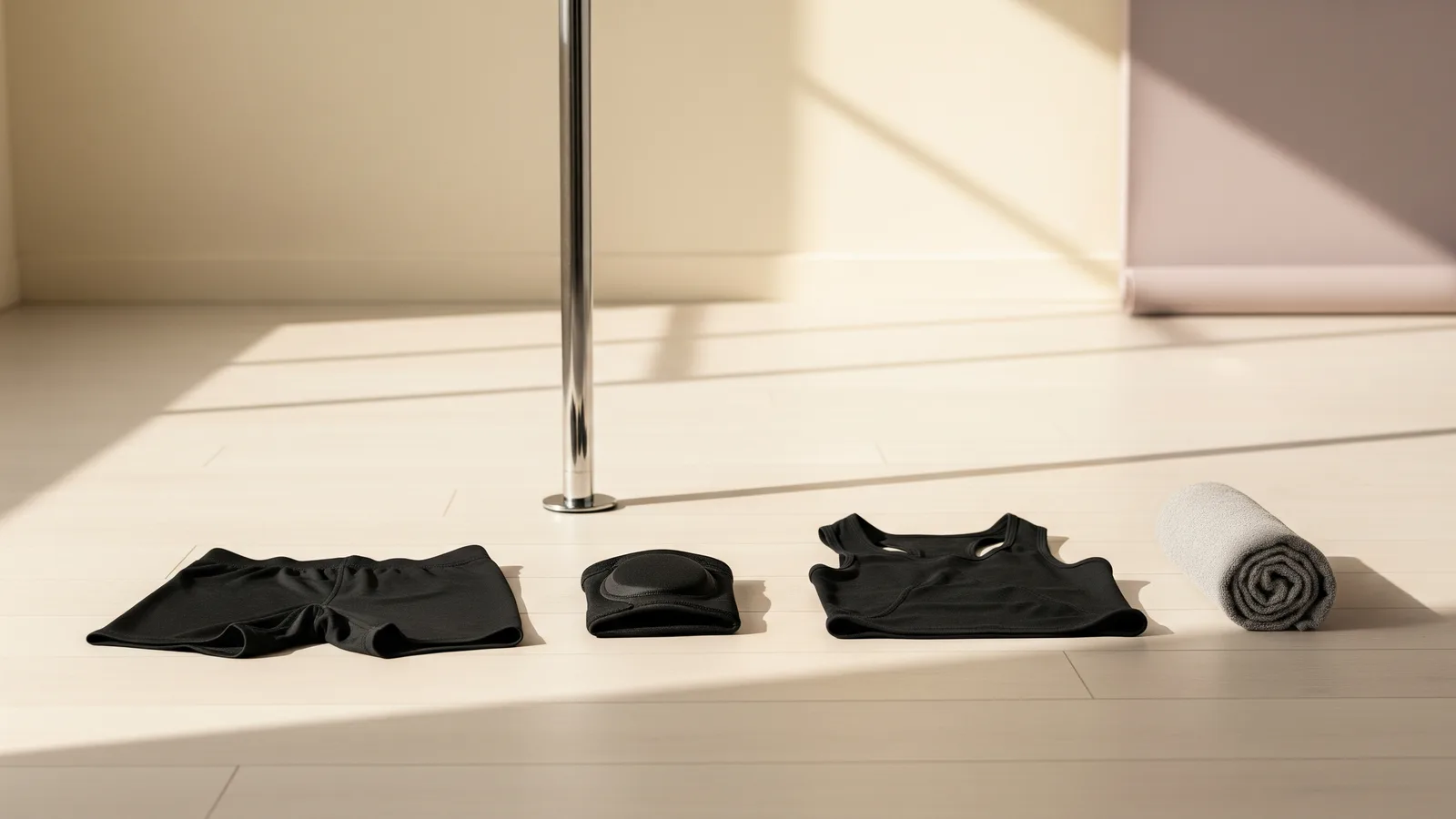
Getting Started
What to Wear to Pole Dancing Class (And What to Leave at Home)
The grip-first guide to what to wear to pole class: why shorts beat leggings, what to leave at home, coverage for the self-conscious, and seasonal notes.
Getting Started
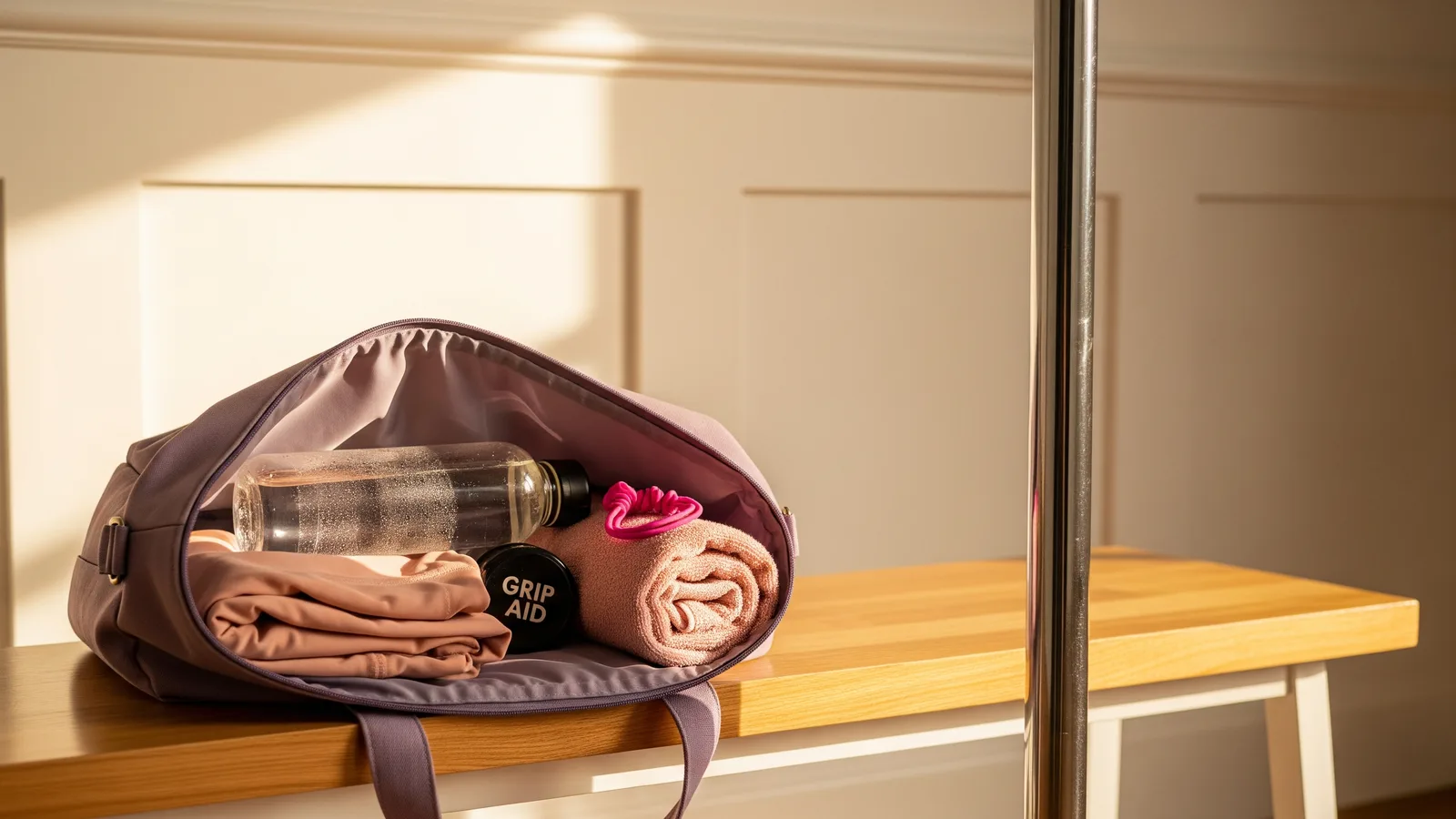
What to Expect at Your First Pole Dancing Class: An Honest Walkthrough
A minute-by-minute logistics guide to your first pole class — arriving, waivers, warm-up, sharing a pole, the moves you'll try, and what to do after.
Getting Started
Can You Teach Yourself Pole Dancing? What Self-Taught Polers Say
Can you teach yourself pole dancing? You can learn the basics at home — but a qualified instructor prevents bad habits and injuries, especially before you invert.