Getting Started
What Is Pole Fitness? (And How It Differs from Pole Dance)
What is pole fitness? A plain-English explanation of pole fitness versus pole dance, pole art and pole sport — who it suits and what a class involves.
Pole Club Team5 min read
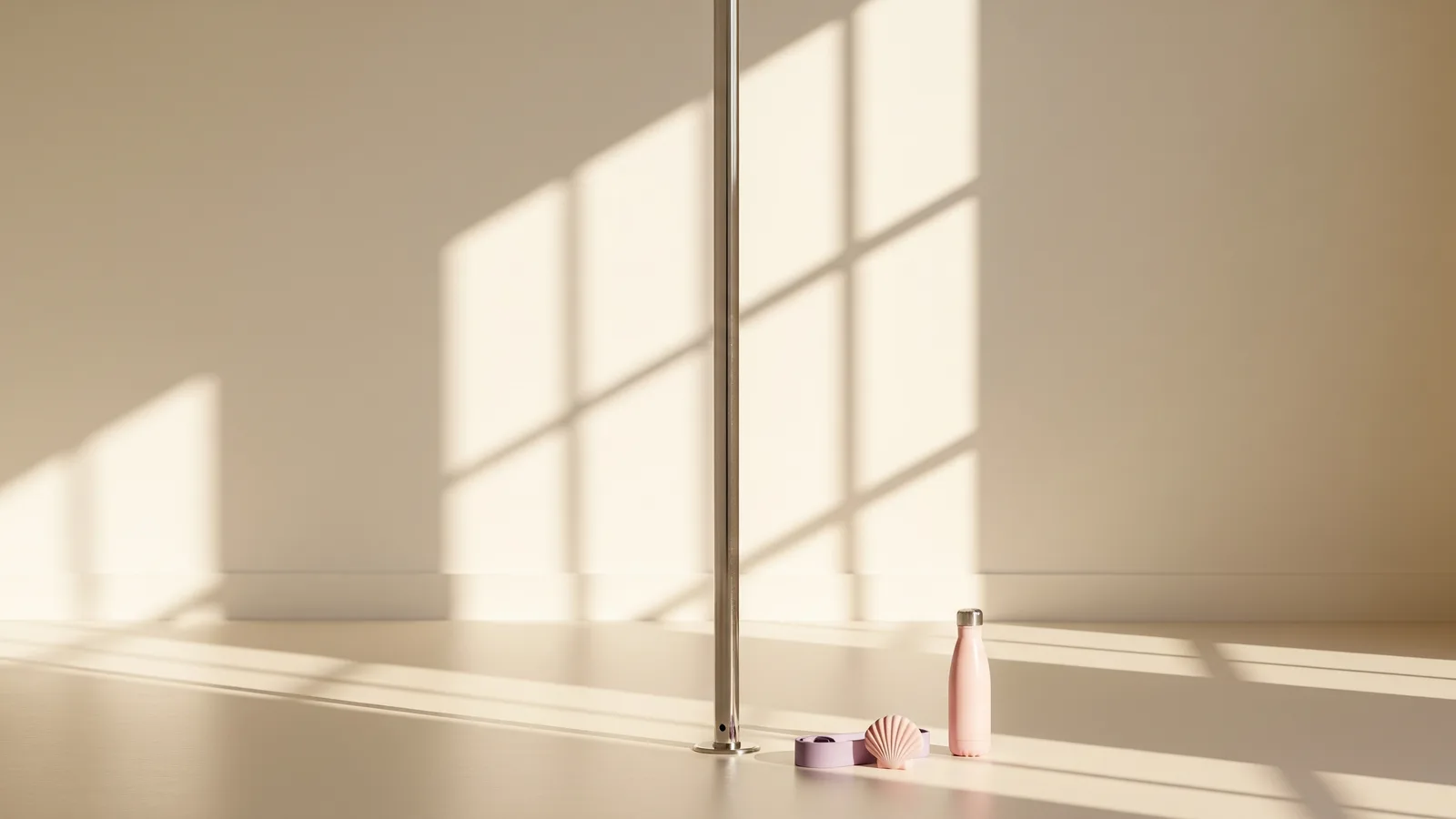
Pole fitness is using a vertical pole as strength-and-conditioning equipment — climbing, spinning, holding and inverting to build muscle, grip and body control. It's the athletic, workout-focused side of pole, with less emphasis on choreography or performance than pole dance. Think of it as gymnastics on a pole rather than a routine to music.
The name causes a lot of confusion, because pole comes in several flavours and the words overlap. Pole fitness, pole dance, pole art and pole sport all share the same equipment but pull in different directions. This guide untangles them, explains who pole fitness actually suits, and walks you through what a real beginner class looks like.
What's the difference between pole fitness and pole dance?
Pole fitness prioritises strength, conditioning and trick technique; pole dance adds choreography, flow and musicality on top of that same skill base. In practice the two blur together — you can't do the tricks without the strength, and most polers do both — but a class labelled 'pole fitness' will lean toward the workout, while 'pole dance' leans toward moving expressively.
The distinction is often more about framing than a hard wall. Many studios use 'pole fitness' to signal an inclusive, exercise-first, non-sexualised class, which reassures newcomers who worry pole is only about performance. The moves you learn — spins, climbs, sits, inverts — are largely the same either way. If you're wondering whether it's for you at all, our beginner's guide to pole in the UK is a gentle place to start.
What are pole art and pole sport?
Pole art is the artistic, performance-driven style — storytelling, emotion, choreography and stage presence, often in bare feet or heels. Pole sport is the competitive, standardised discipline with governed rules, scored elements and defined difficulty, closer to gymnastics or figure skating in structure. Both grow from the same foundations as pole fitness.
You don't need to pick a lane on day one, and most beginners don't. You start with the shared foundations — grip, spins, climbs, your first inverts — and only later discover you're drawn to the artistry, the athleticism or the competition. Here's how the four styles compare at a glance.
| Style | Main focus | Typical setting | Good if you want… |
|---|---|---|---|
| Pole fitness | Strength, conditioning, tricks | Regular studio classes | A challenging, varied workout |
| Pole dance | Choreography, flow, musicality | Studio classes, socials | To move and express yourself |
| Pole art | Performance, emotion, storytelling | Showcases, stage | To perform and create |
| Pole sport | Scored, competitive elements | Governed competitions | Structure and to compete |
Who does pole fitness suit?
Pole fitness suits anyone who wants a full-body strength workout that doesn't feel like a gym slog — it builds serious upper-body, grip and core strength while being genuinely fun. It particularly suits people who find treadmills tedious, who want a supportive class environment, and who are motivated by learning tangible skills rather than counting reps.
You do not need to arrive strong, flexible or 'a certain body type' — those are outcomes of pole, not entry requirements. Studios teach total beginners every week, and the strength builds as you go. If self-doubt is holding you back, our honest takes on whether you need to be strong to pole dance and whether you need to be flexible should settle most of it.
It also suits a wonderfully wide range of people. Pole fitness classes across the UK are full of members in their forties and beyond, of every size, and increasingly of every gender — the community has moved well past the old stereotypes. Whether you're returning to exercise or looking for something new, there's very likely a class shaped for you.
Is pole fitness sexual or not?
Pole fitness is a sport, not a sexual activity — the 'fitness' framing exists partly to make that clear. Classes focus on strength, tricks and technique, are taught in ordinary sportswear, and feel much like any other athletic group session. Pole does have roots in different traditions, and other styles lean sensual by choice, but a fitness class is squarely about the workout.
It's a fair question to have, because the stereotype is stubborn and it puts people off unnecessarily. What you'll actually find in a beginner pole fitness room is a mixed group of people gripping a metal pole with their thighs, wobbling through their first climb, and cheering each other on. The atmosphere is supportive and unglamorous in the best way. What each poler does with their skills afterwards — competitive, artistic, sensual or purely athletic — is entirely up to them.
What happens in a pole fitness class?
A pole fitness class opens with a warm-up and conditioning, moves into technique on the pole — spins, climbs, sits and, later, inverts — then finishes with a stretch or cool-down. Beginner classes keep everything grounded with at least a foot on the floor, building strength and confidence before anything goes upside down. Expect to sweat and to laugh.
The format is friendly and progressive, not intimidating. The instructor demonstrates a move, breaks it down, spots you while you try, and corrects your technique. You'll repeat things, wobble, and improve visibly over a few weeks. Knowing the shape of a session ahead of time helps hugely — our walk-through of what to expect in your first pole class covers the etiquette and nerves too.
Kit is simple: shorts for skin grip on the pole, a fitted top, bare feet and water. That's genuinely all you need to begin, and studios usually supply grip aid if your hands sweat. When you're ready to find a class, the Pole Club directory of pole dancing and pole fitness classes lets you browse studios near you, and the Pole Club Method foundation course covers the fundamentals if you want to understand the basics first.
Common questions
- Is pole fitness the same as pole dancing?
- They overlap heavily but differ in emphasis. Pole fitness prioritises strength, conditioning and trick technique as a workout, while pole dance adds choreography, flow and musicality on top of the same skills. Most studios use 'pole fitness' to signal an exercise-first, inclusive class. In practice, most polers end up doing a bit of both.
- Do I need to be fit to start pole fitness?
- No. You build the strength through pole itself — arriving strong isn't a requirement, it's an outcome. Studios teach complete beginners every week, keeping early classes grounded with a foot on the floor while your grip, core and arms develop. Turn up as you are and progress at your own pace.
- Is pole fitness a good workout?
- Yes — it's a genuine full-body workout building upper-body, grip and core strength, with an hour burning roughly 250–400 kcal for an average adult. Because you're learning visible skills rather than counting reps, many people find it far easier to stick with than the gym, which is half the battle with any exercise.
- What should I wear to a pole fitness class?
- Shorts and a fitted top, plus bare feet. You grip the pole with the bare skin of your legs and arms, so leggings and long sleeves slip. There's no need to buy specialist kit to start — plain sports shorts and any close-fitting vest or t-shirt work perfectly for your first classes.
Keep reading
See all posts →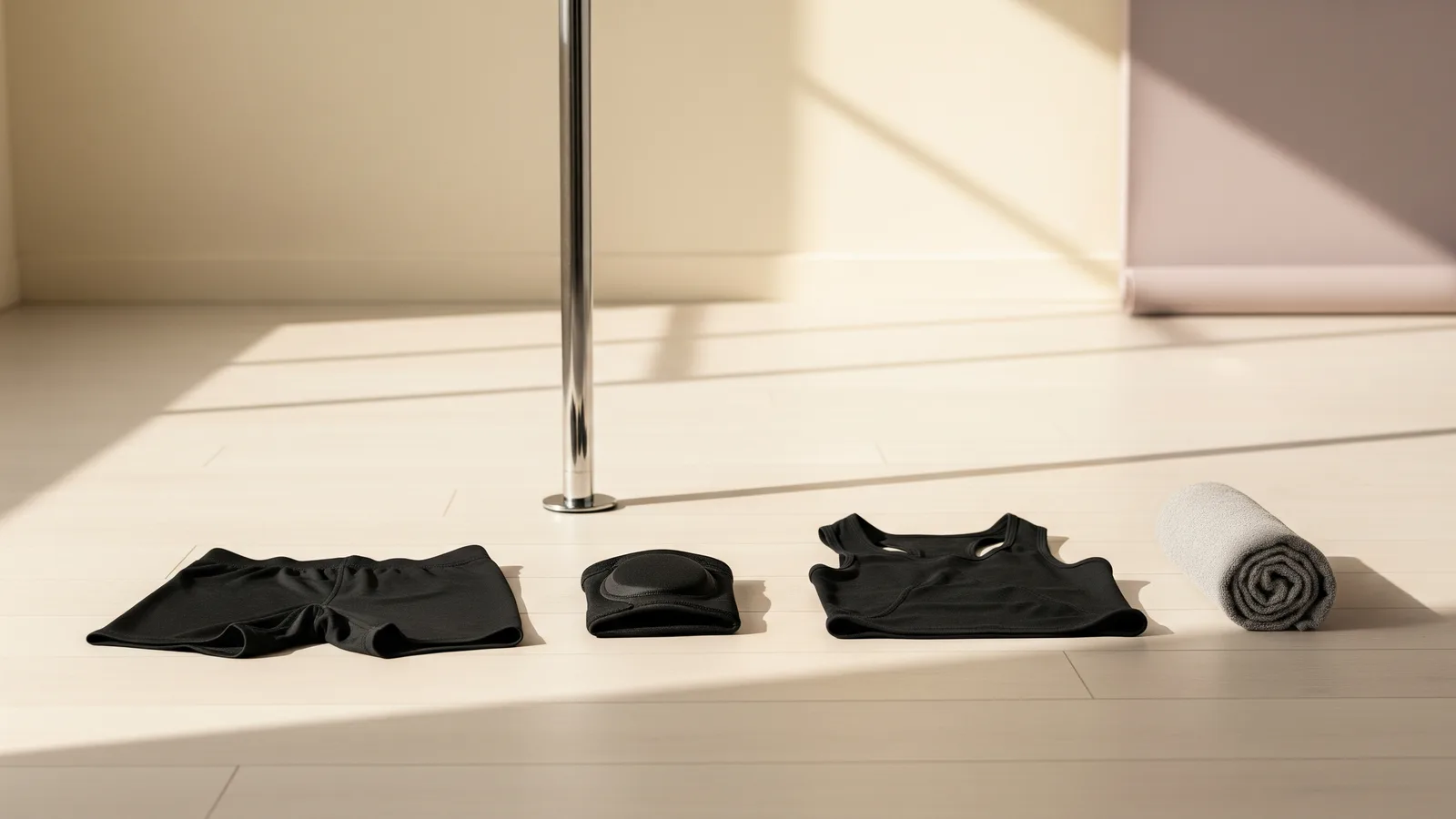
Getting Started
What to Wear to Pole Dancing Class (And What to Leave at Home)
The grip-first guide to what to wear to pole class: why shorts beat leggings, what to leave at home, coverage for the self-conscious, and seasonal notes.
Getting Started
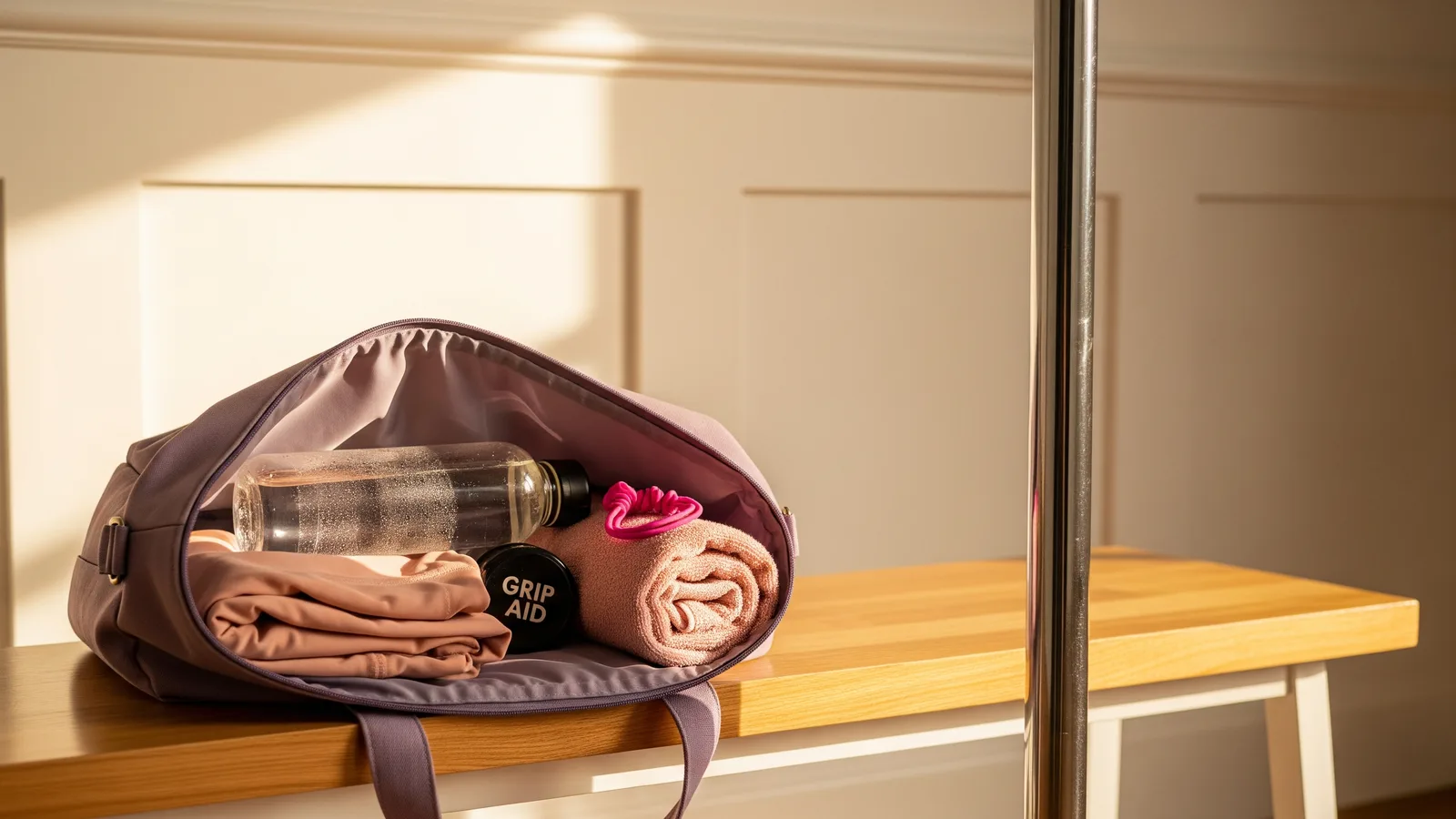
What to Expect at Your First Pole Dancing Class: An Honest Walkthrough
A minute-by-minute logistics guide to your first pole class — arriving, waivers, warm-up, sharing a pole, the moves you'll try, and what to do after.
Getting Started
Can You Teach Yourself Pole Dancing? What Self-Taught Polers Say
Can you teach yourself pole dancing? You can learn the basics at home — but a qualified instructor prevents bad habits and injuries, especially before you invert.